Campaigns
We've run campaigns on everything from STI testing and HIV stigma to cervical screening.
Everyday People
Everyday stories from multicultural LGBTIQA+ people embracing their mental health journeys.
When we talk about about mental health and wellbeing we are talking about how we feel, interact with others, and take part in life. Many things can bring us joy and happiness, just as some parts of life can make us feel anxious or worried.
Emil (Filipino)
Emil shares how cultural stigma around mental health in the Filipino community made it difficult to ask for help and delayed their journey to accessing support. They explain how finding a queer, culturally affirming psychologist helped them feel understood, highlighting the importance of inclusive care and encouraging others to seek support when they need it.
Carlos (Spanish)
Carlos reflects on growing up queer in a conservative mining town in Chile, where a lack of representation and stigma affected their self-esteem and made it difficult to seek support. They share how finding community, staying active and accessing inclusive mental health care have helped them build resilience and feel more connected to themselves and others.
Sang (Chinese)
Sang shares how growing up as a queer Chinese-Cambodian Australian shaped their sense of identity, belonging and mental health, particularly while navigating racism, cultural expectations and limited representation. They reflect on the importance of finding community, embracing both their cultural and queer identities, and seeking trusted support to foster connection and wellbeing.
Bridget (Indonesian)
Bridget reflects on growing up in a multicultural Greek and Indonesian family, where conversations about mental health were often shaped by cultural stigma and language barriers. They share how community, food and collective care have helped them feel connected, while highlighting the importance of culturally inclusive mental health support.
Boudie (Arabic)
Boudie shares how growing up in Egypt and later migrating to Australia shaped their mental health journey, from struggling to find understanding and support to navigating isolation in a new country. They reflect on the importance of culturally responsive care and feeling seen without having to repeatedly explain their identity and experiences.
Hao (Chinese)
Hao reflects on growing up in China and navigating expectations around gender, sexuality and identity, while learning to embrace being a queer woman on their own terms. They share how challenging societal pressures and finding confidence in themselves has strengthened their sense of identity and wellbeing.
Masa (Japanese)
Masa shares how growing up in Japan influenced the way they view mental health, sexuality and the importance of maintaining harmony with those around them. They reflect on the challenges of discussing mental health and being gay in a culture where stigma remains, while highlighting the value of supportive friendships and more open conversations.
Jordan (Greek)
Jordan reflects on growing up in a Greek and Macedonian family, where resilience and hard work often took precedence over conversations about mental health. They share how seeking support for depression and anxiety helped them better understand their experiences, highlighting the importance of recognising mental health challenges and reaching out for help.
Sasja (Malay)
Sasja shares how growing up in a Muslim Malay family in Singapore shaped their experience of gender identity, faith and mental health, and reflects on the challenges of finding acceptance from both their family and community. They describe how reconnecting with their faith, building a strong chosen family and seeking professional support helped them navigate anxiety and embrace who they are.
Latoya (Samoan)
Latoya reflects on growing up between New Zealand, Samoa and Australia, sharing how cultural attitudes towards gender diversity, family and mental health shaped their experiences. They highlight the strength of community, the unwavering support of their mother and the importance of creating space for more open conversations about mental health.
Filippa (Swedish)
Filippa shares how moving from Sweden to Melbourne helped them embrace their identity and find a strong sense of belonging within the queer wrestling community. They reflect on navigating the pressures of gender expectations and the male gaze, highlighting how supportive, inclusive spaces have strengthened their confidence and wellbeing.
Fidan (Turkish)
Fidan reflects on growing up in Cyprus and Türkiye, where stigma surrounding mental health made it difficult to seek support despite experiencing challenges from a young age. They share how finding an affirming mental health professional after a harmful experience helped them better understand themselves, underscoring the importance of inclusive, evidence-based care.
The Bent Spoon
The Bent Spoon is an online cooking series that connects us, whilst honouring our cultural traditions and recognising the diverse backgrounds we all have. What better way to do this than through the sharing of food!
Food brings you comfort. It tells a story, brings people together, and it can take you home. Food is how we share our culture with the rest of the world.
Episode 1 - Latoya
Featured Dish: Palusami (coconut cream wrapped in taro leaves, accompanied by boiled green banana).
Episode 2 - James
Featured Dish: Babi Asam (pork in tamarind sauce).
Episode 3 - Stone
Featured Dish: Varaoa Karo (sweet coconut bread).
Episode 4 - Alejandra
Featured Dish: Arepas (traditional Colombian flatbread).
Episode 5 - Eswar
Featured Dish: Dhall Tarka (chickpea curry).
Episode 6 - Sei
Featured Dish: Oka (Raw fish salad).
Episode 7 - Babu
Featured Dish: Kwati (Nepalese Bean Soup).
40 years of queer health promotion
For over 40 years, our health promotion strategy has been bold, evidence-based, and unapologetically queer. We meet our communities where they are – always have, always will.
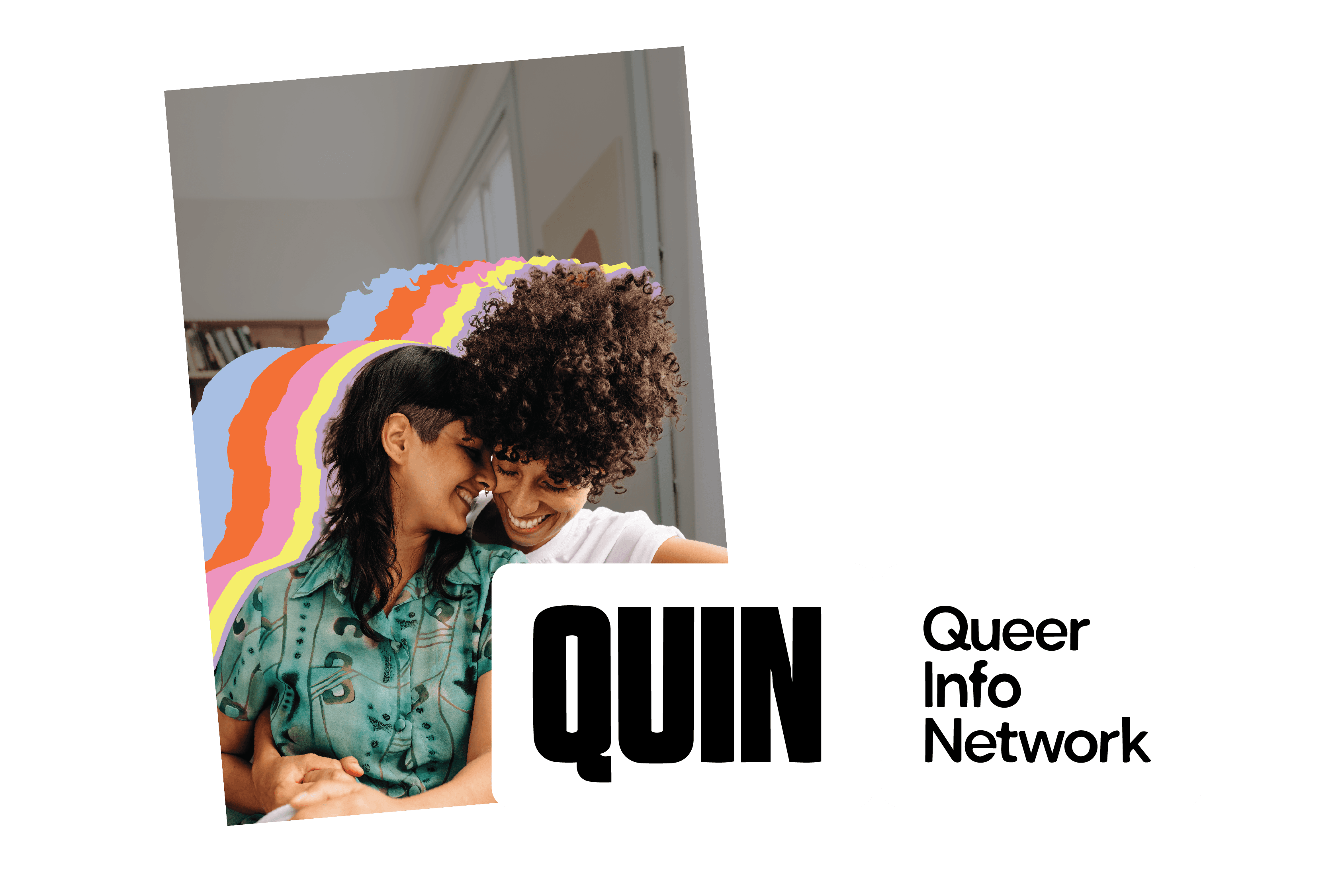
The Queer Health Info Network (QUIN) launches for LGBTIQ+ women and gender diverse people.
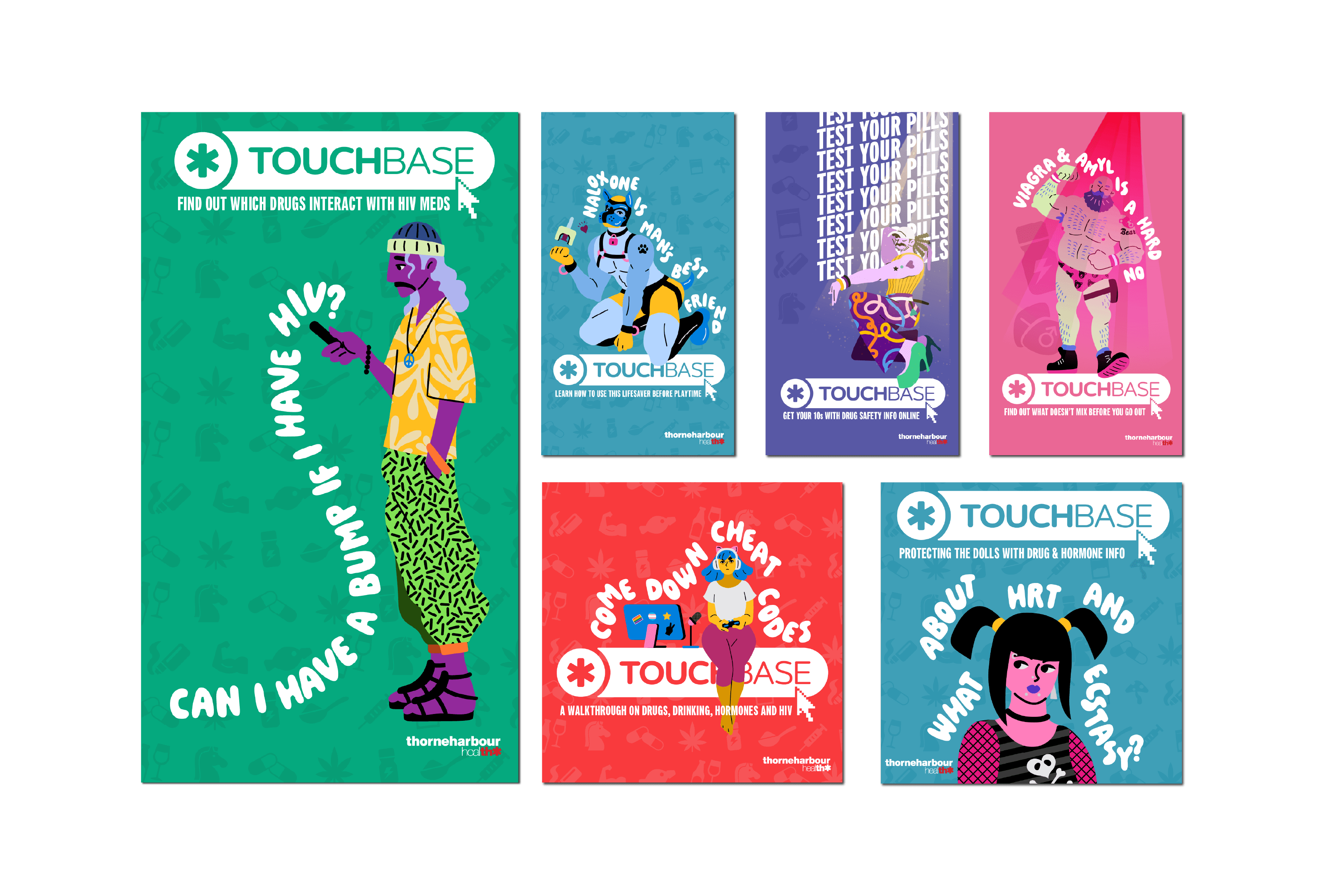
The drug and alcohol harm-reduction site, Touchbase, gets a facelift with a new cast of characters reflecting the diversity of our communities.
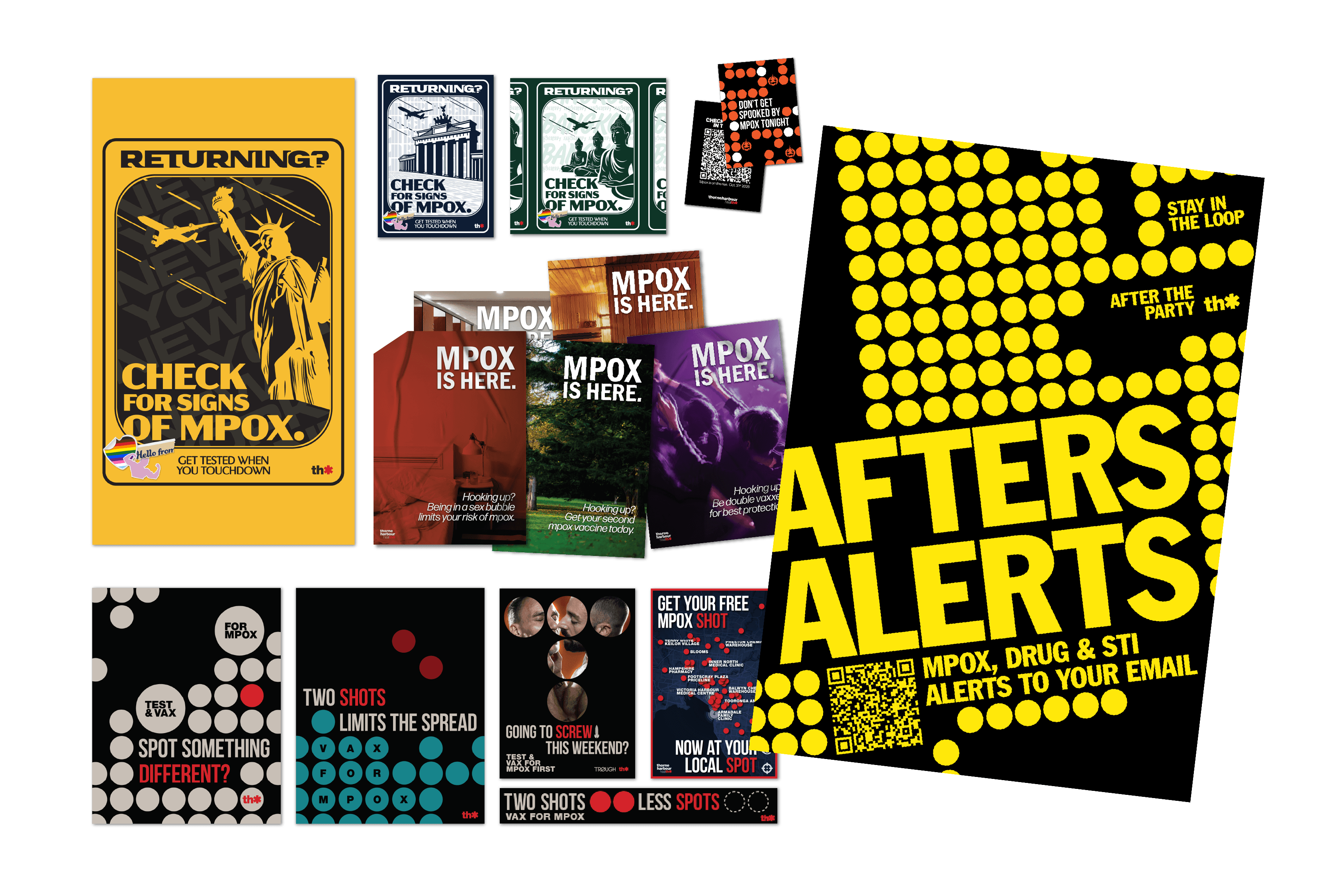
Mpox resurges, with a refreshed response from Thorne Harbour Health.
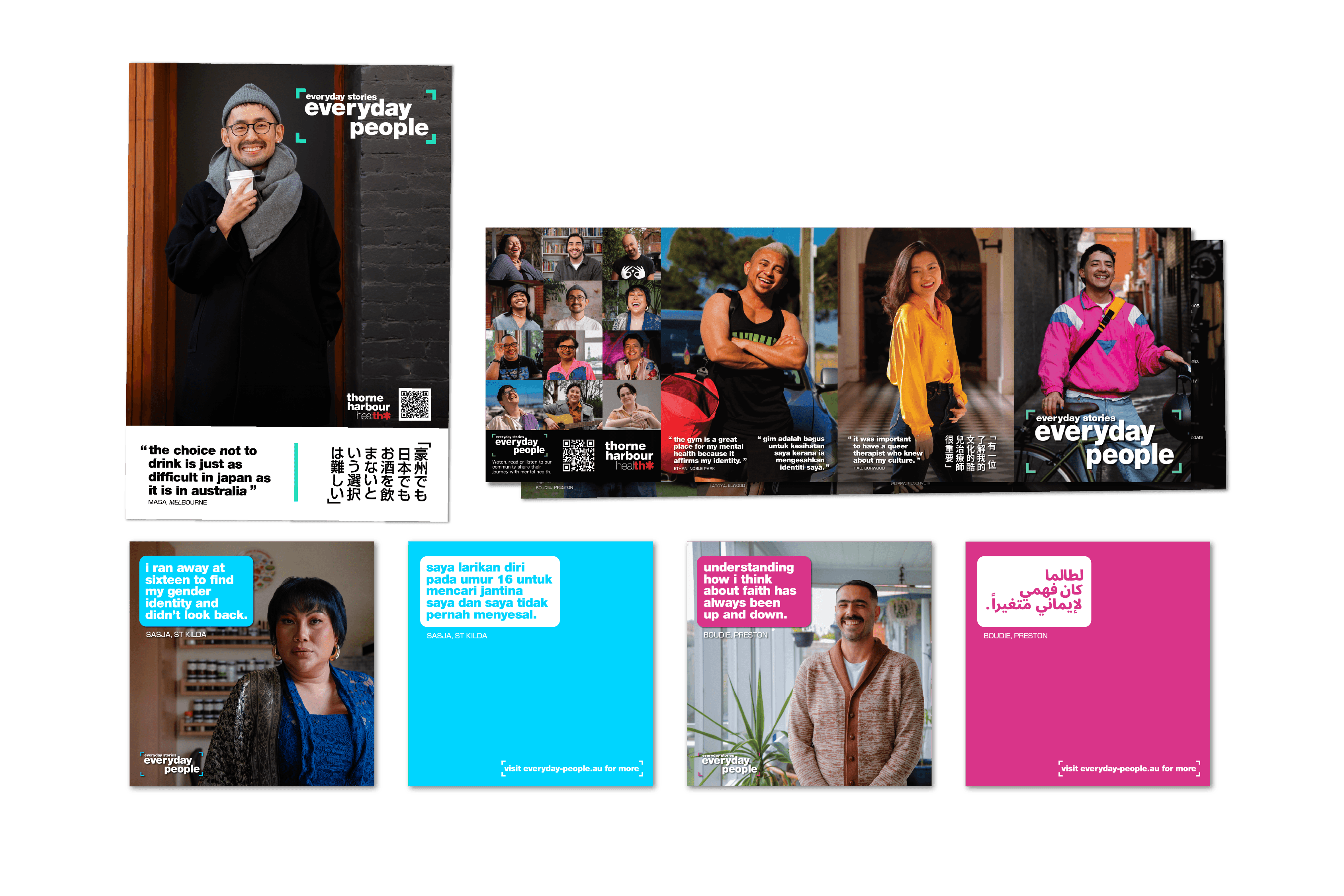
Everyday People shines a spotlight on the mental health stories of multicultural LGBTIQA+ people.
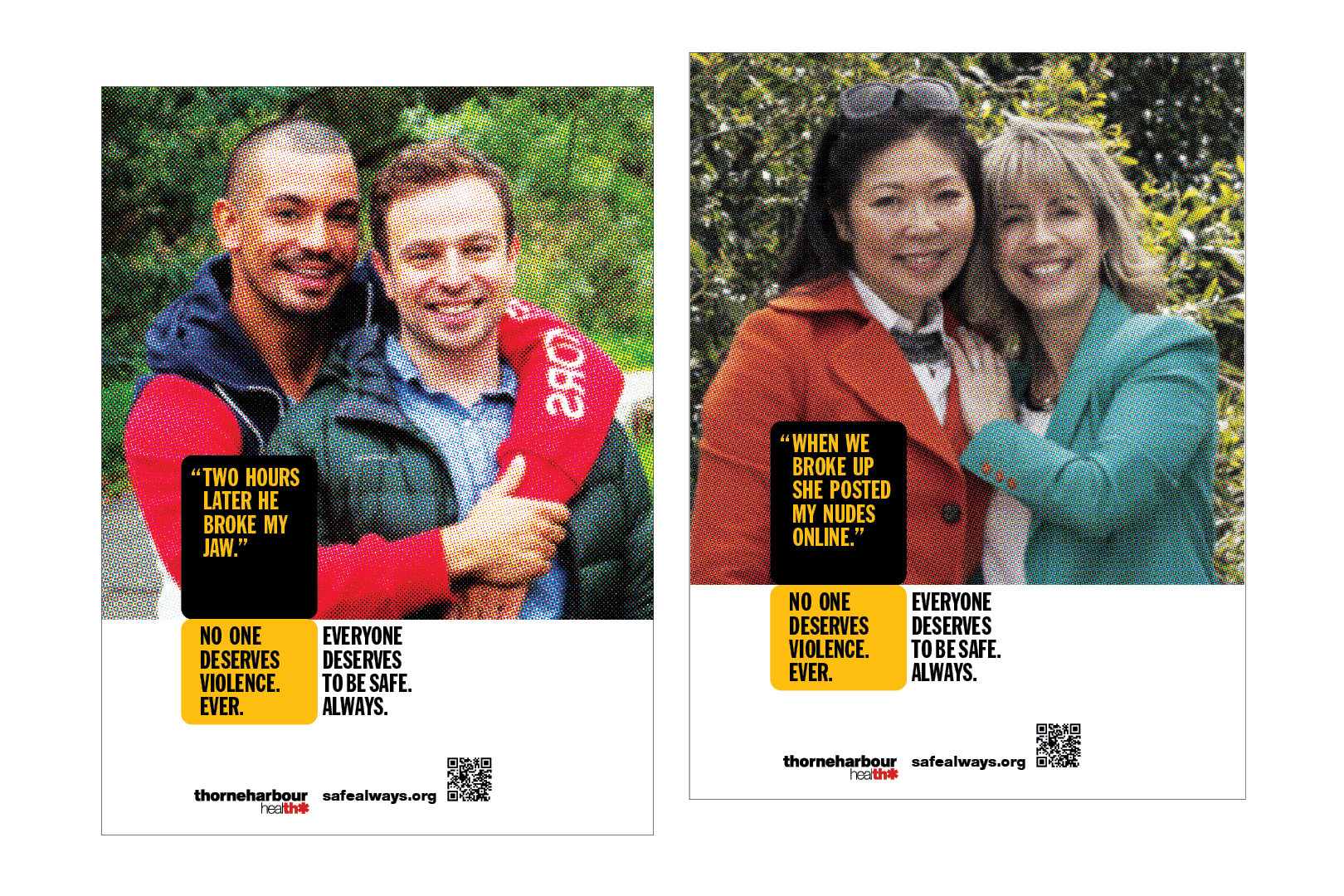
Safe Always raises community awareness about LGBTIQA+ family violence.
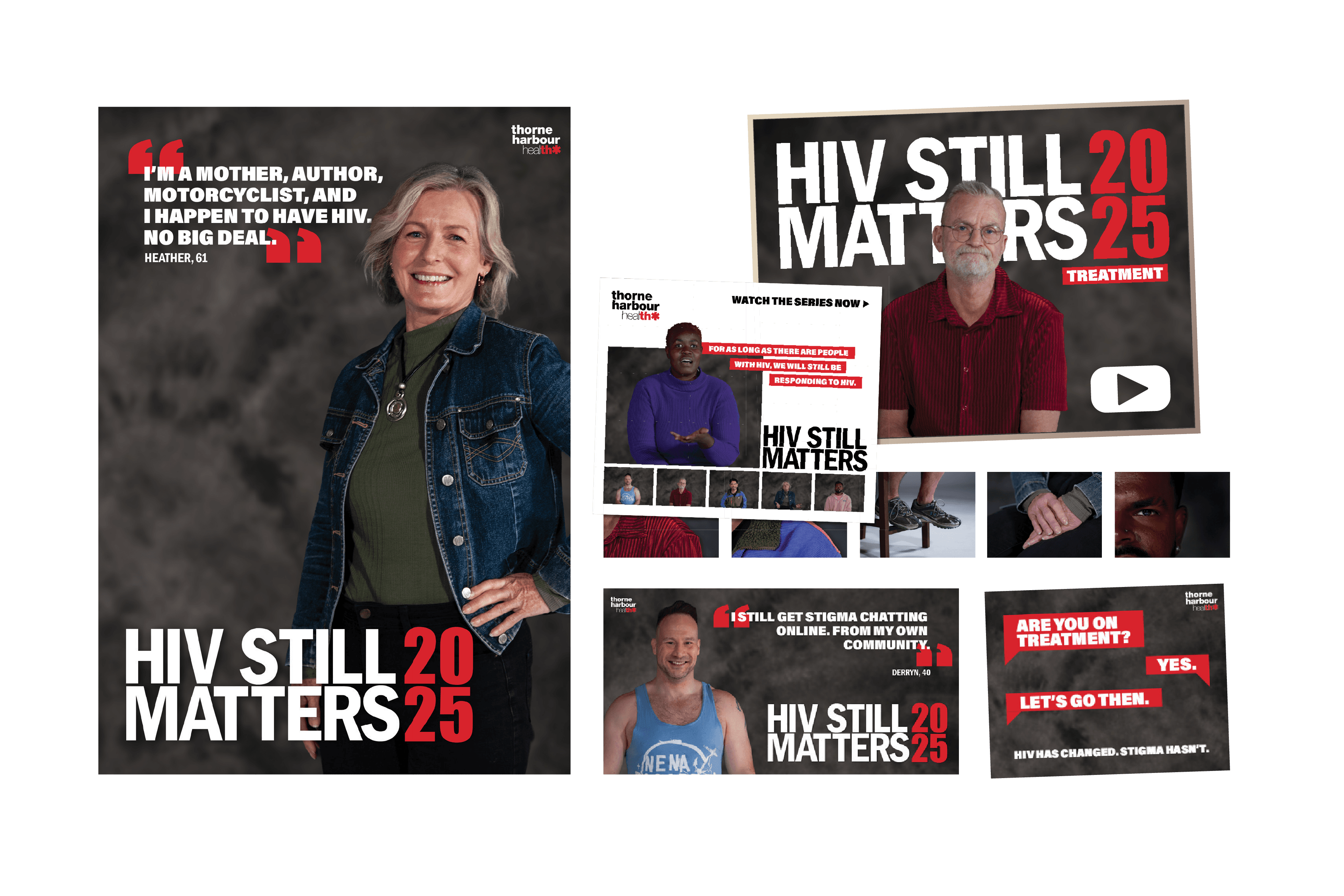
HIV Still Matters asks the tough questions about living with HIV.
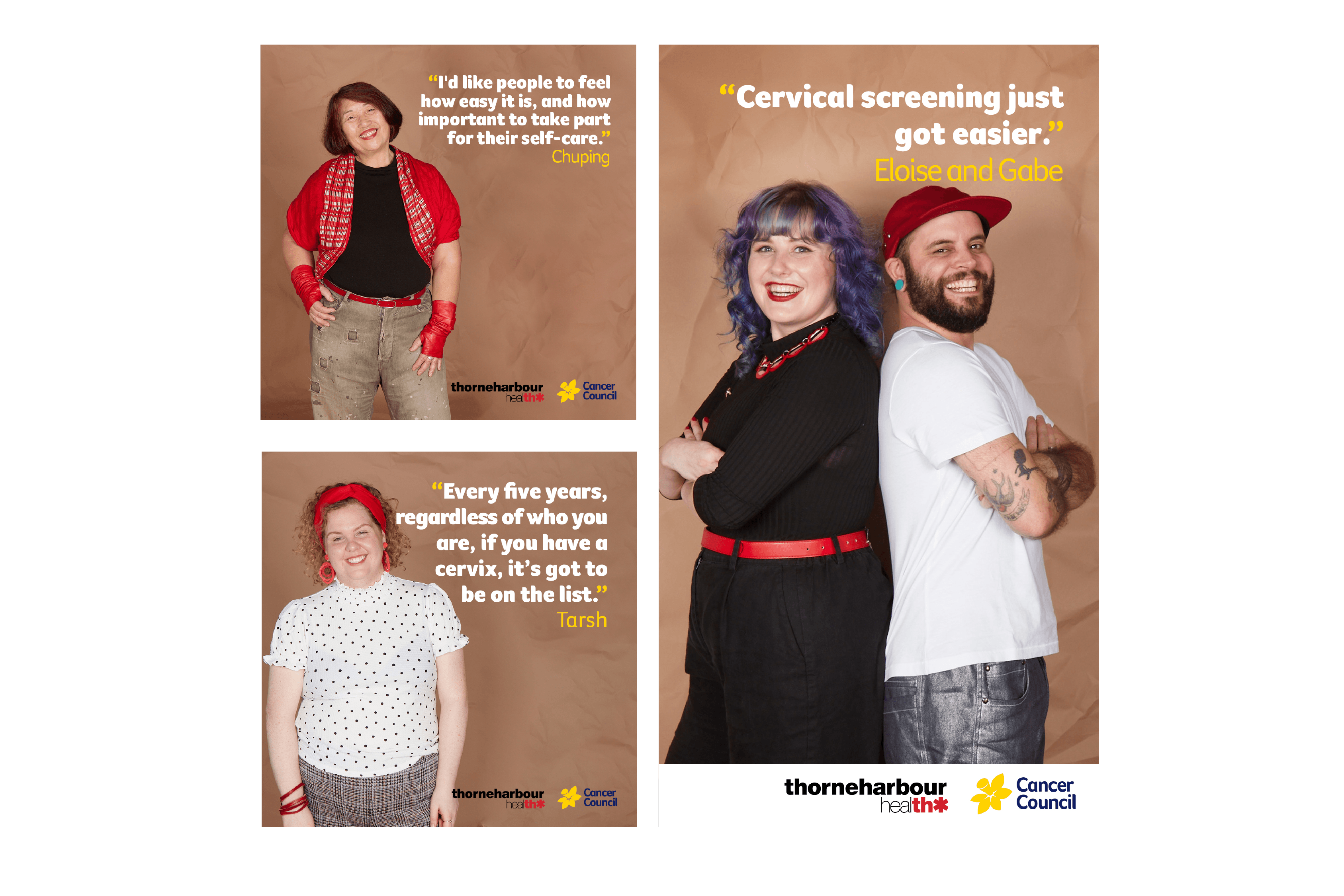
The Public Cervix Announcement (in partnership with Cancer Council Victoria) aims to get queer women and all people with a cervix tested.
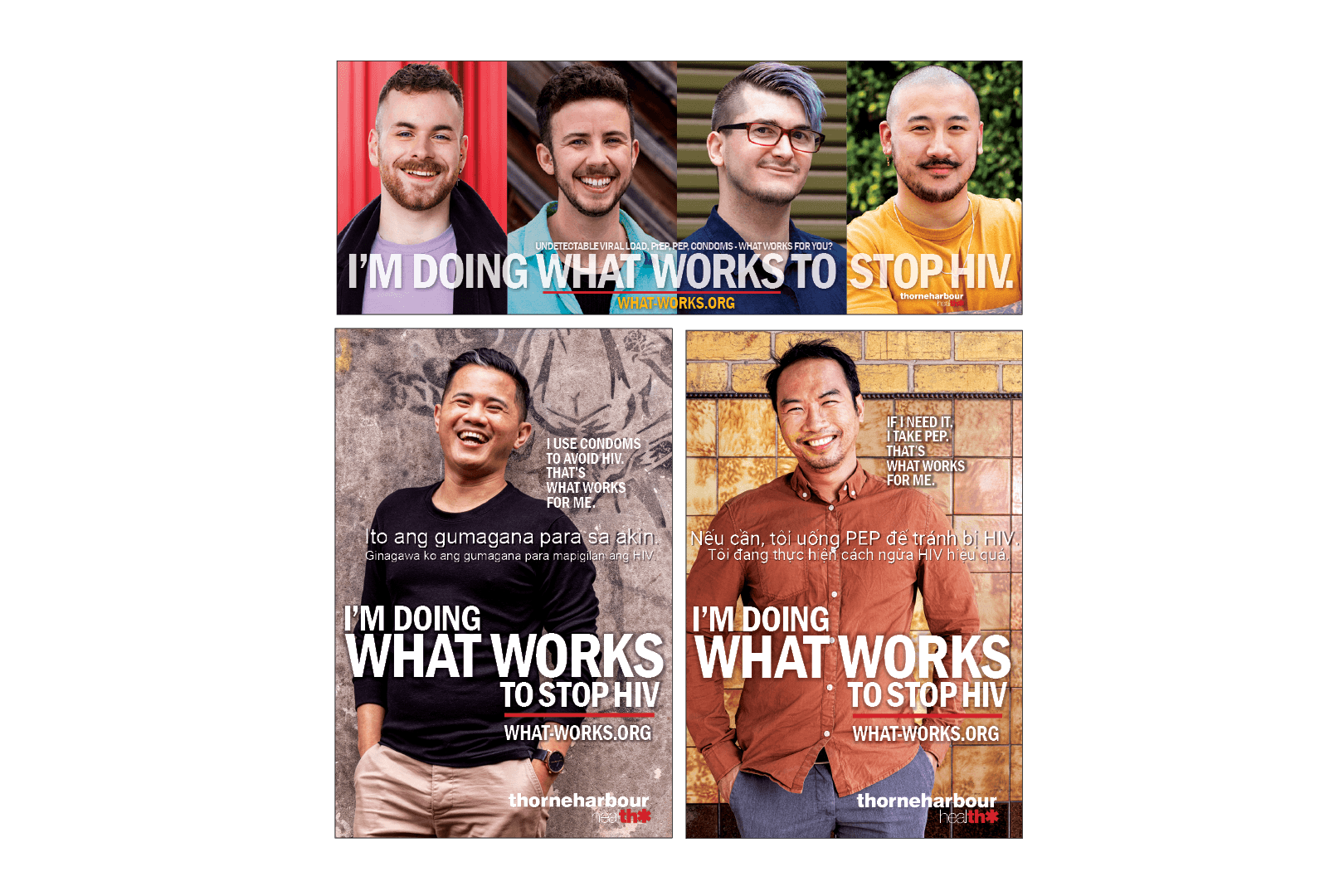
What Works shares the real methods community members use to prevent HIV.
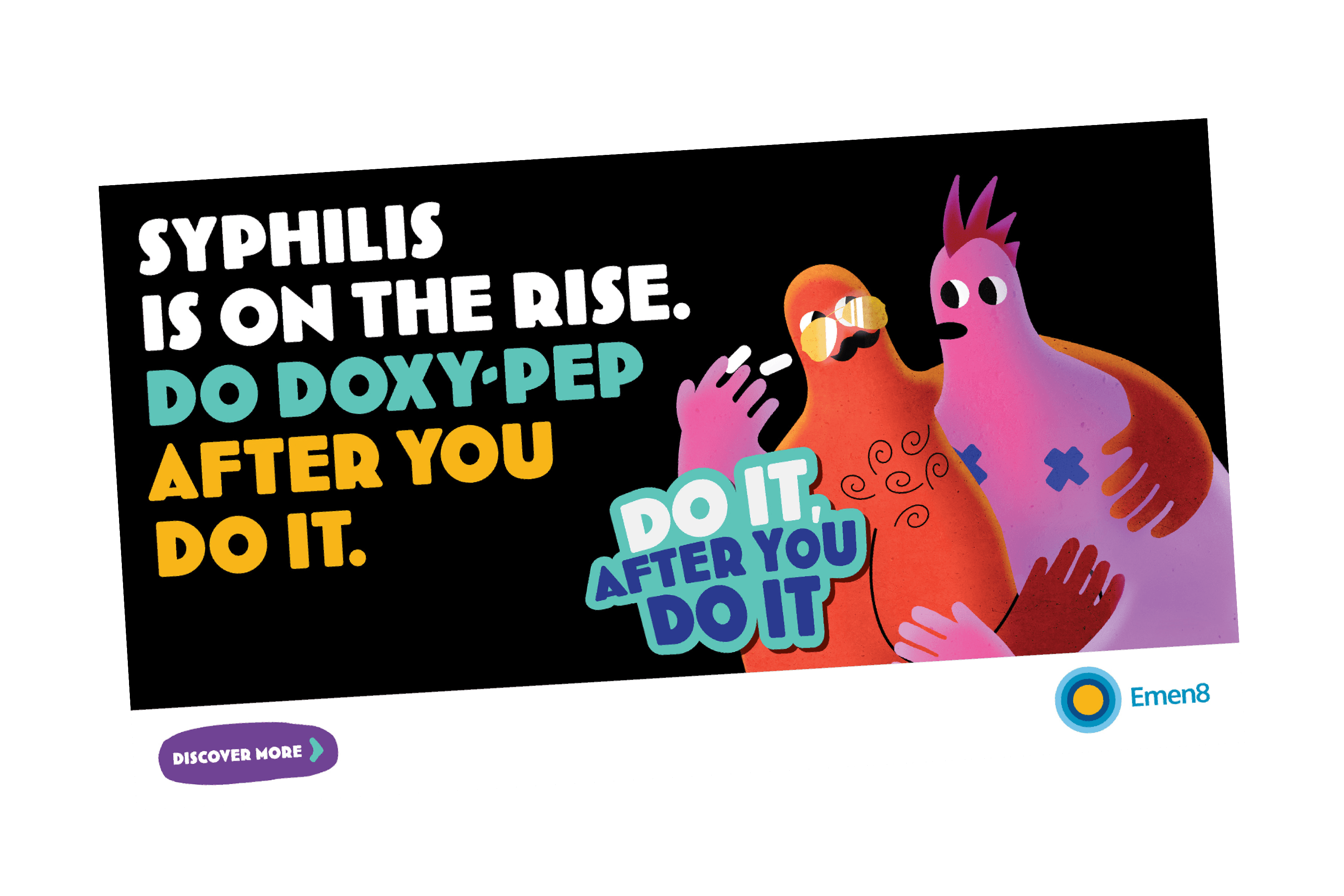
Emen8 launches in partnership with ACON to empower gay and bi guys to protect themselves and each other by talking openly, testing regularly and treating early.
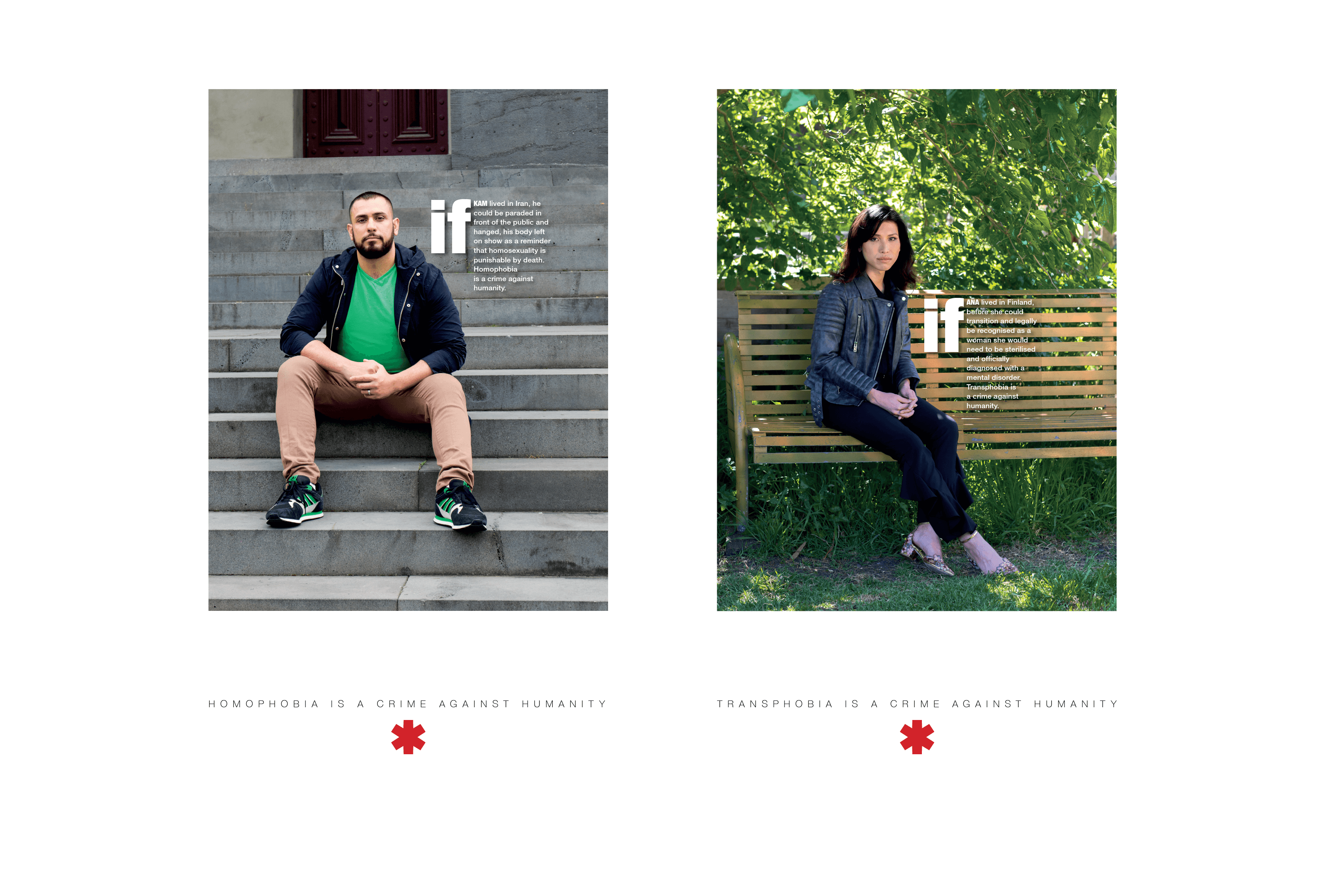
The IF campaign tackles homophobia and transphobia as a human rights issue.
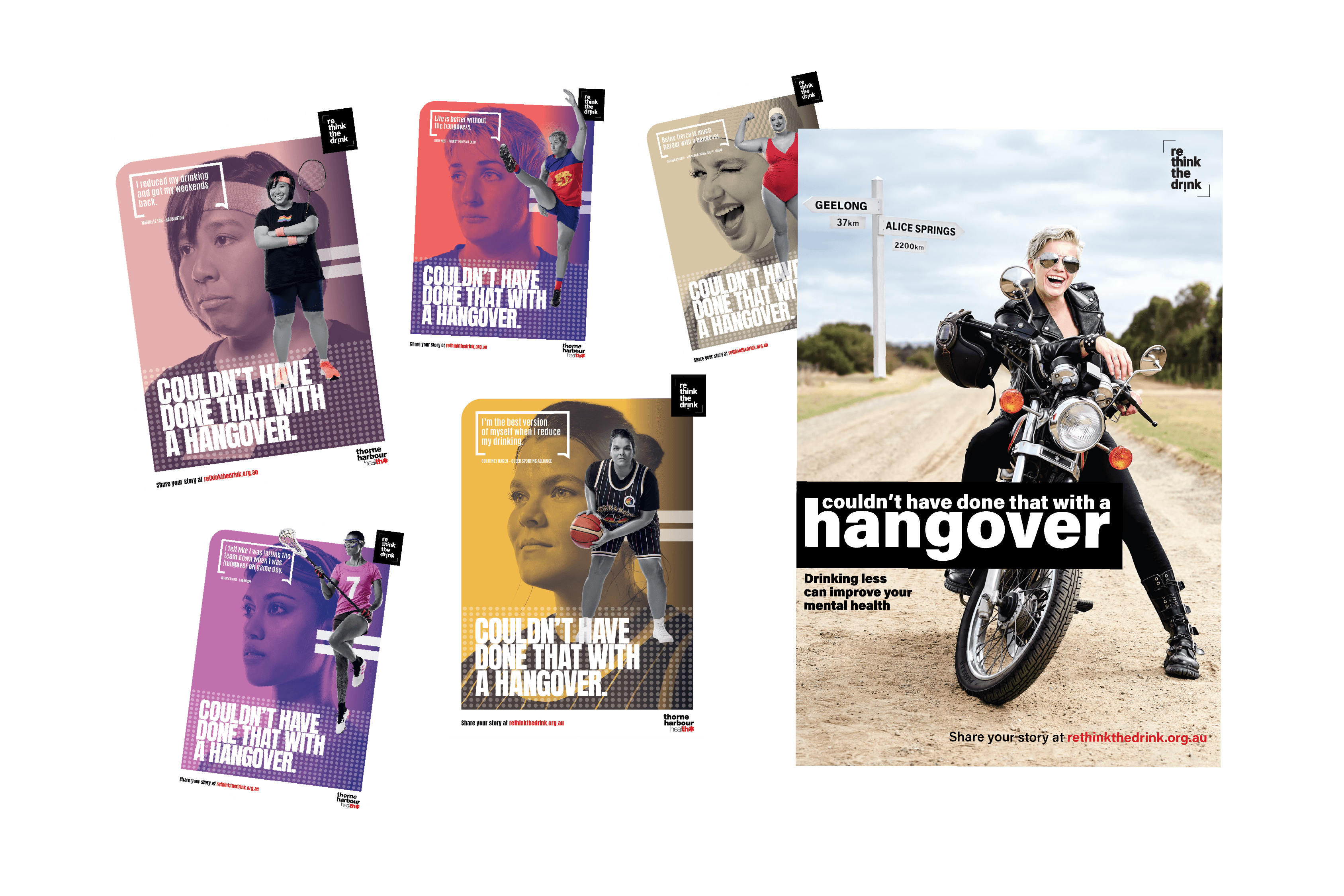
Rethink the Drink aims to raise awareness about alcohol use in queer womens' communities.
DALE creates an online hub for men experiencing anxiety and/or depression while exploring their same sex attraction.
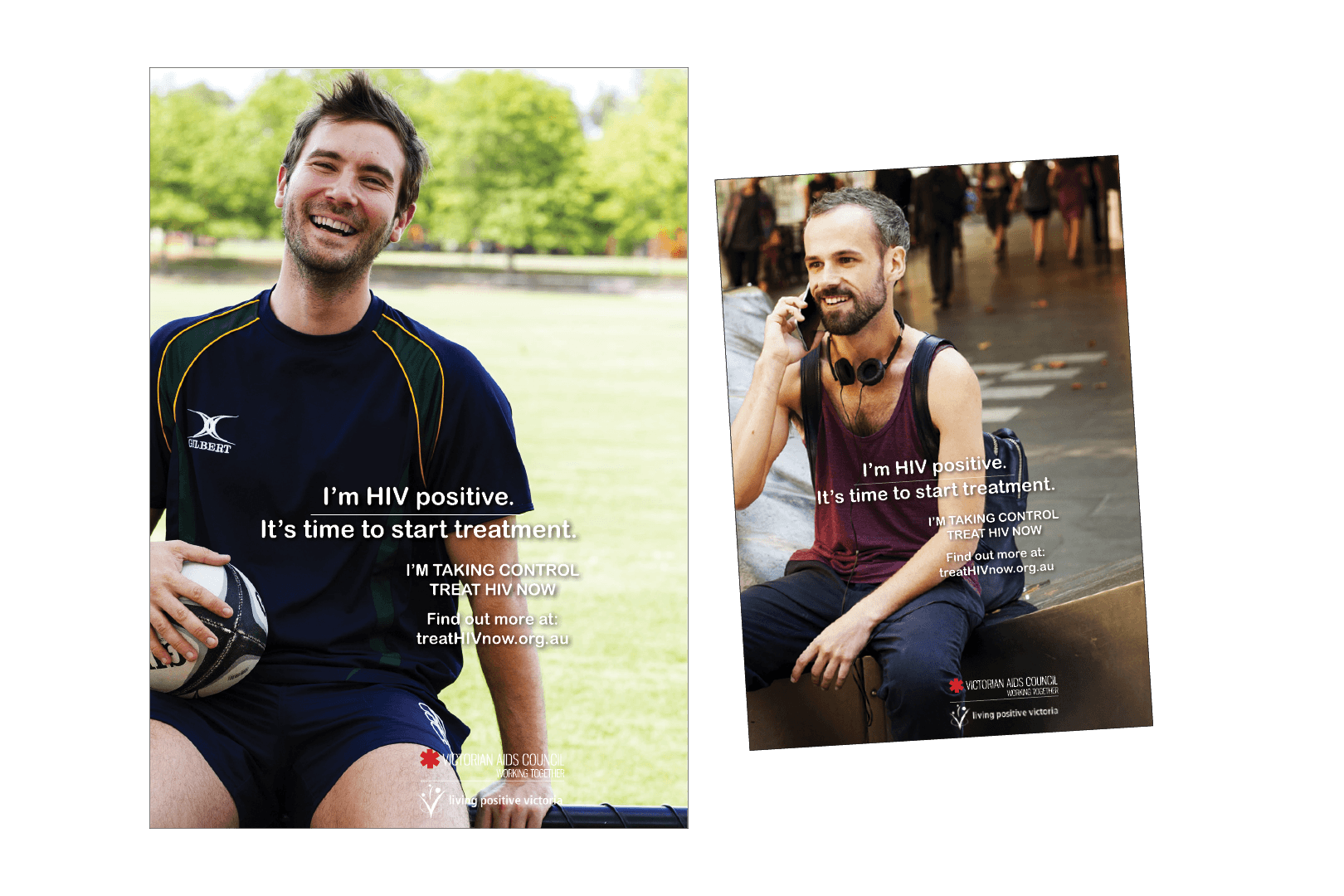
Treat HIV Now was the first HIV treatment campaign featuring HIV positive people in Australia.
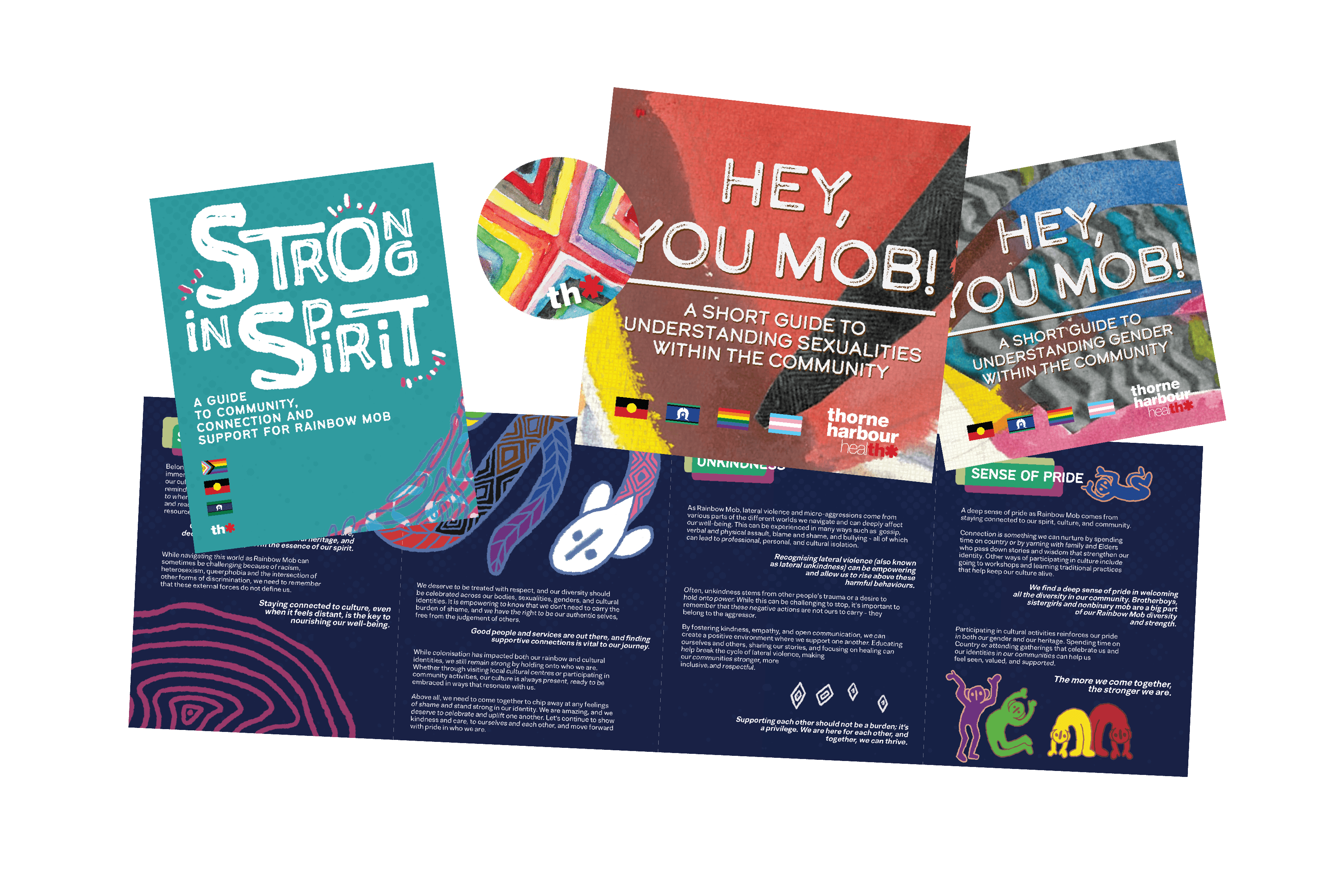
The Aboriginal and Torres Strait Islander Health Project launches in support of Rainbow Mob and First Nations people living with HIV.
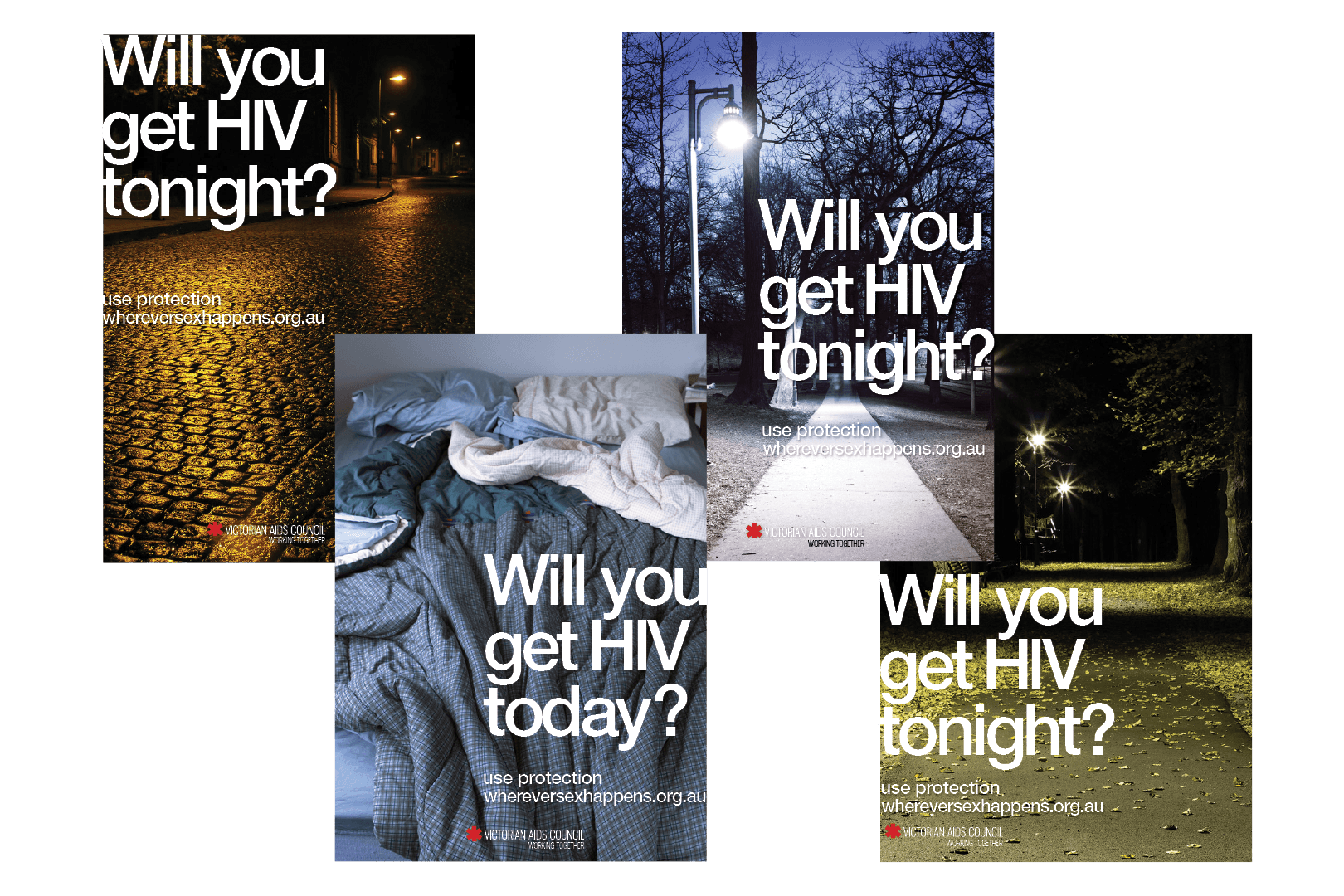
HIV Today Tonight invited people to consider when, where, and how they could get HIV.
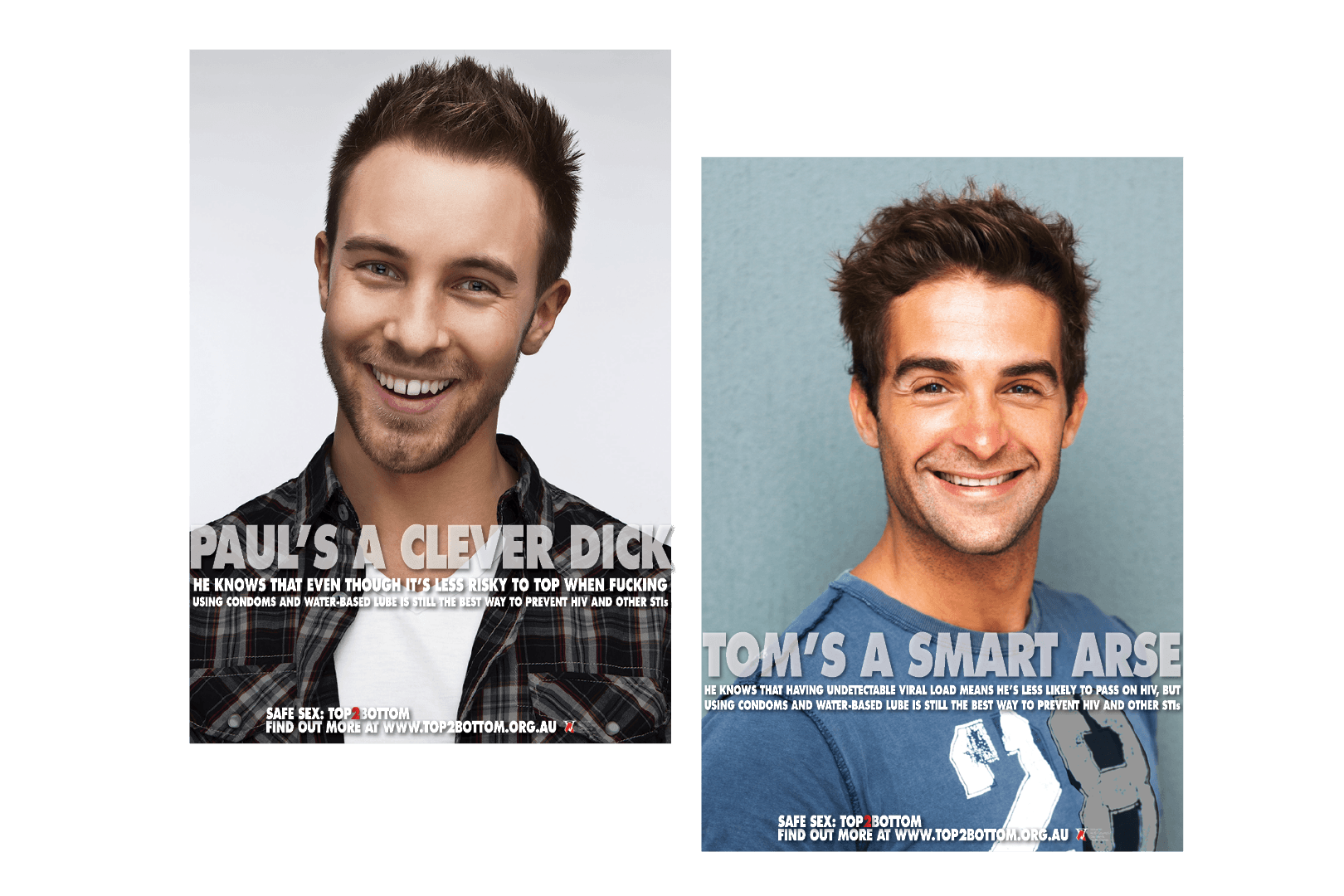
Top to Bottom was a clever, cheeky campaign that promoted the full suite of HIV prevention options.
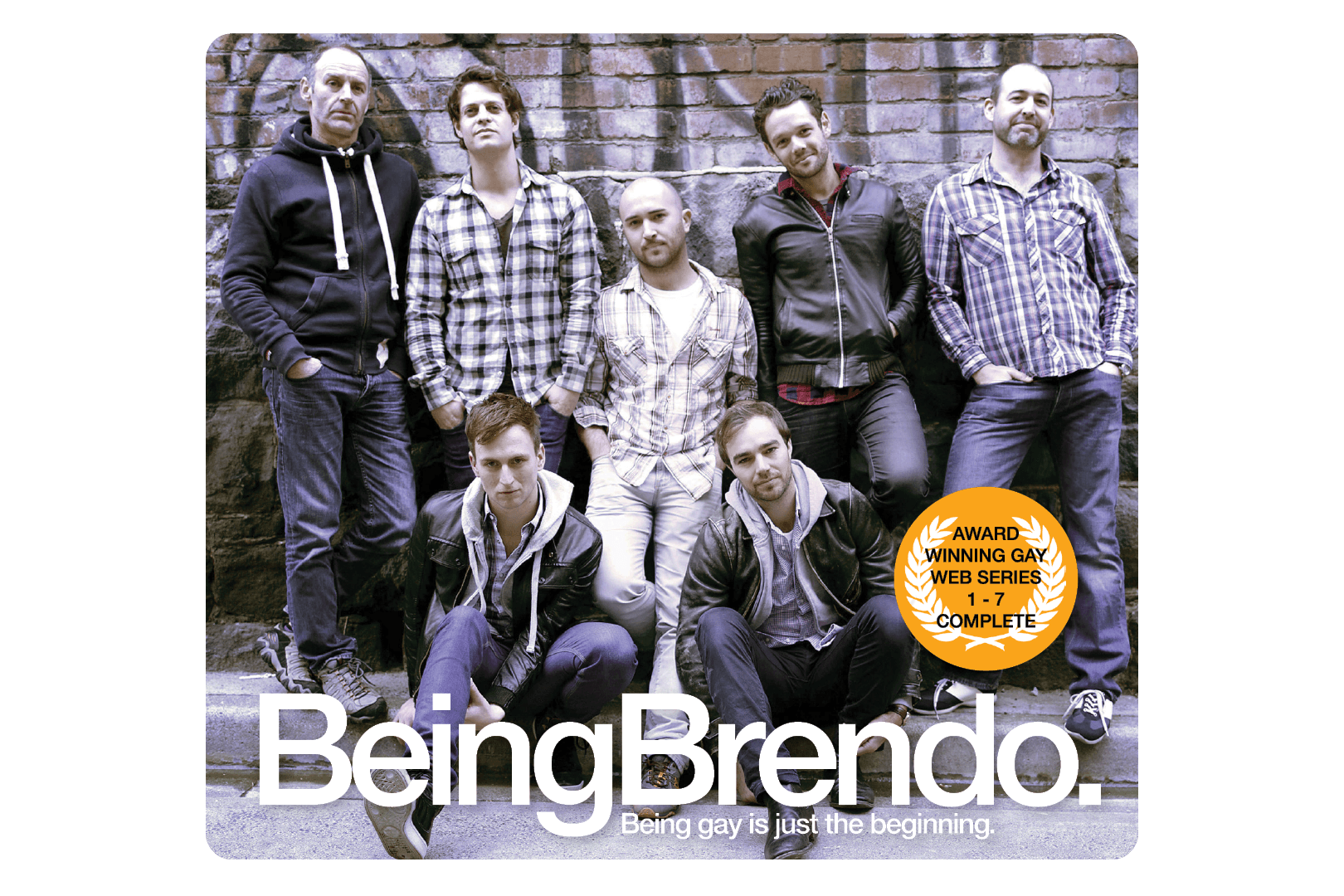
Our first-ever web series, Being Brendo, explored HIV, homophobia, sex work, open relationships, and more.
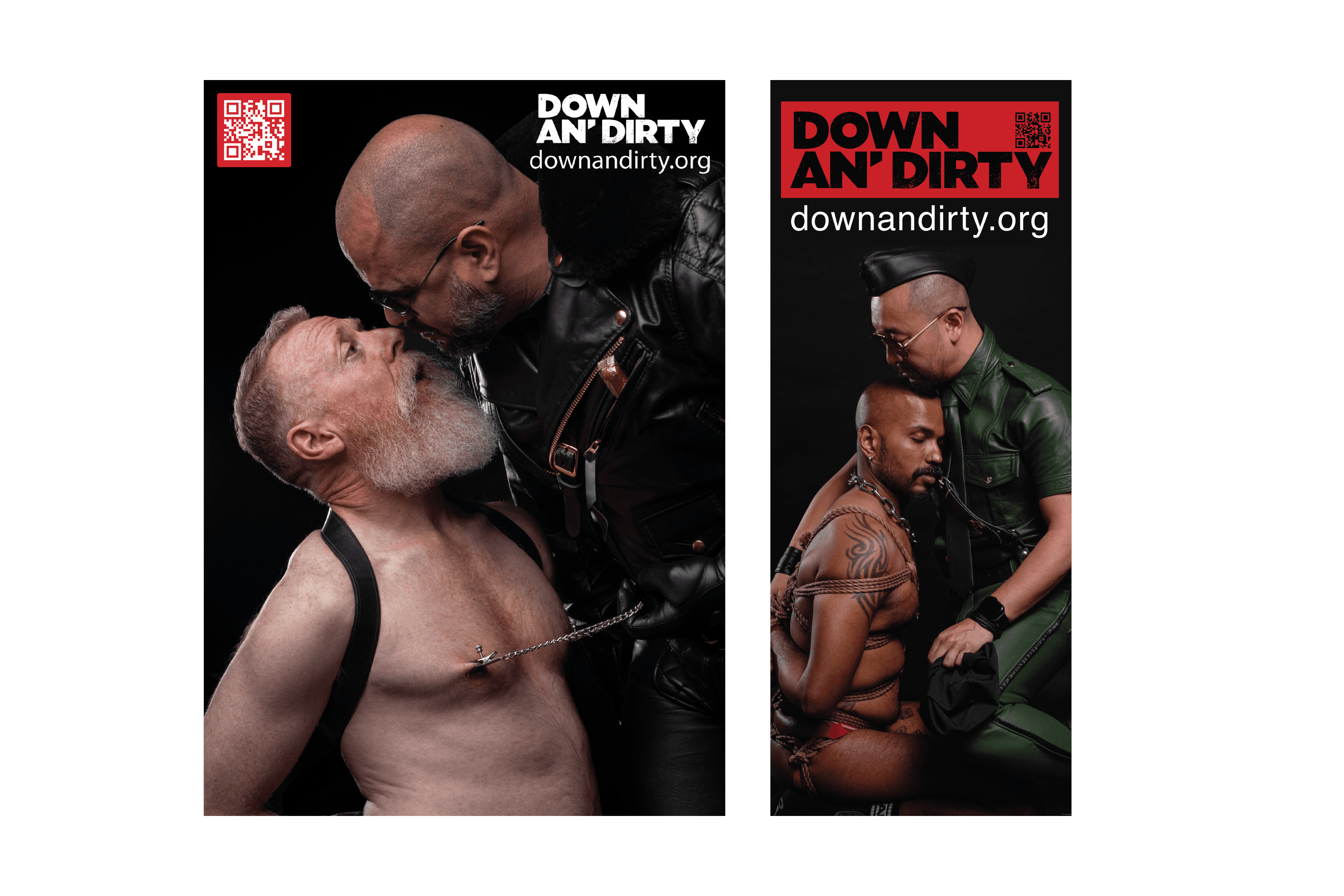
The Sexually Adventurous Men's project launched with the public-facing and R18+ brand DOWN AN' DIRTY.

Wherever Sex Happens encouraged people to use condoms in any and every context.
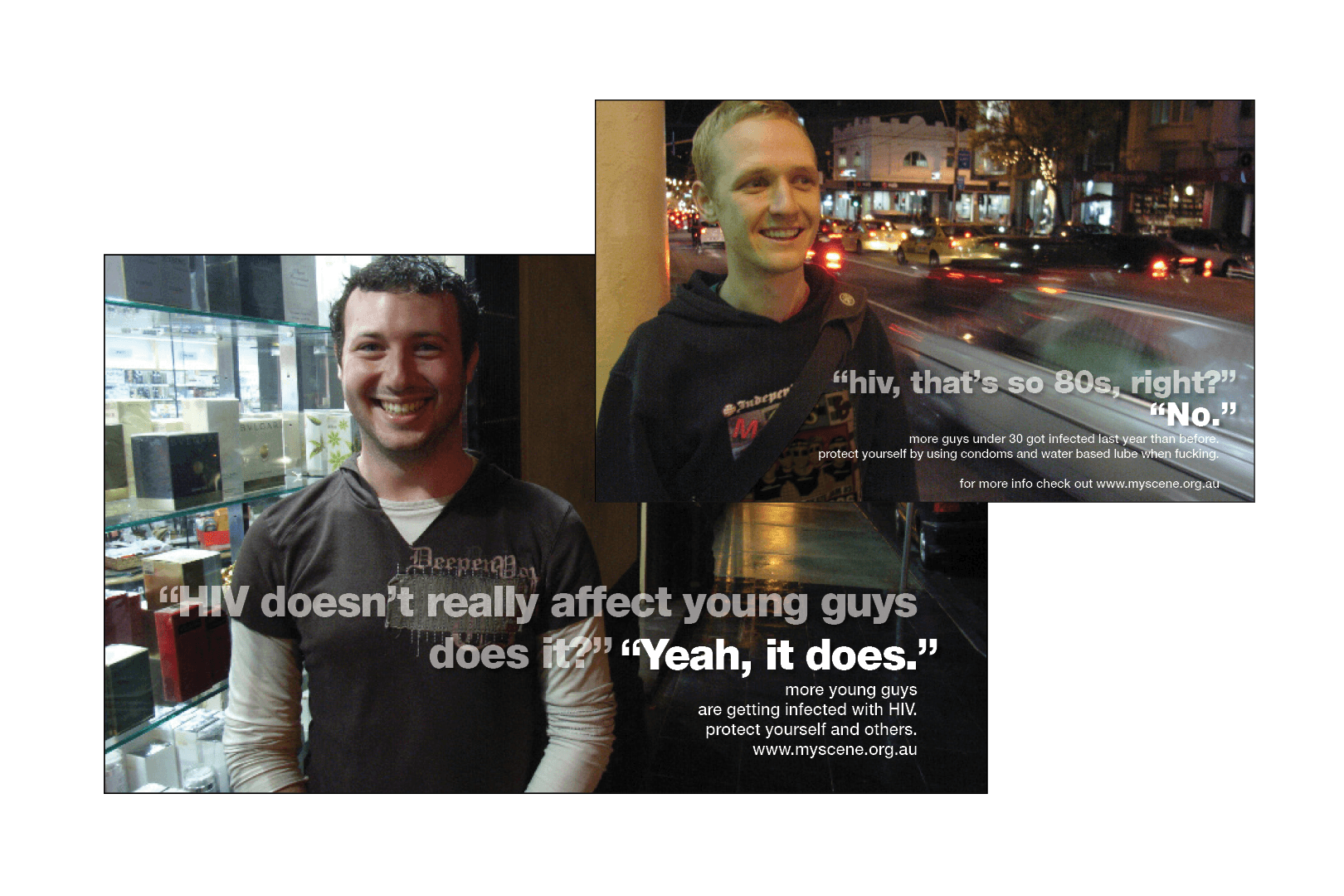
We created Myscene to respond to rising rates of HIV among men under 30.
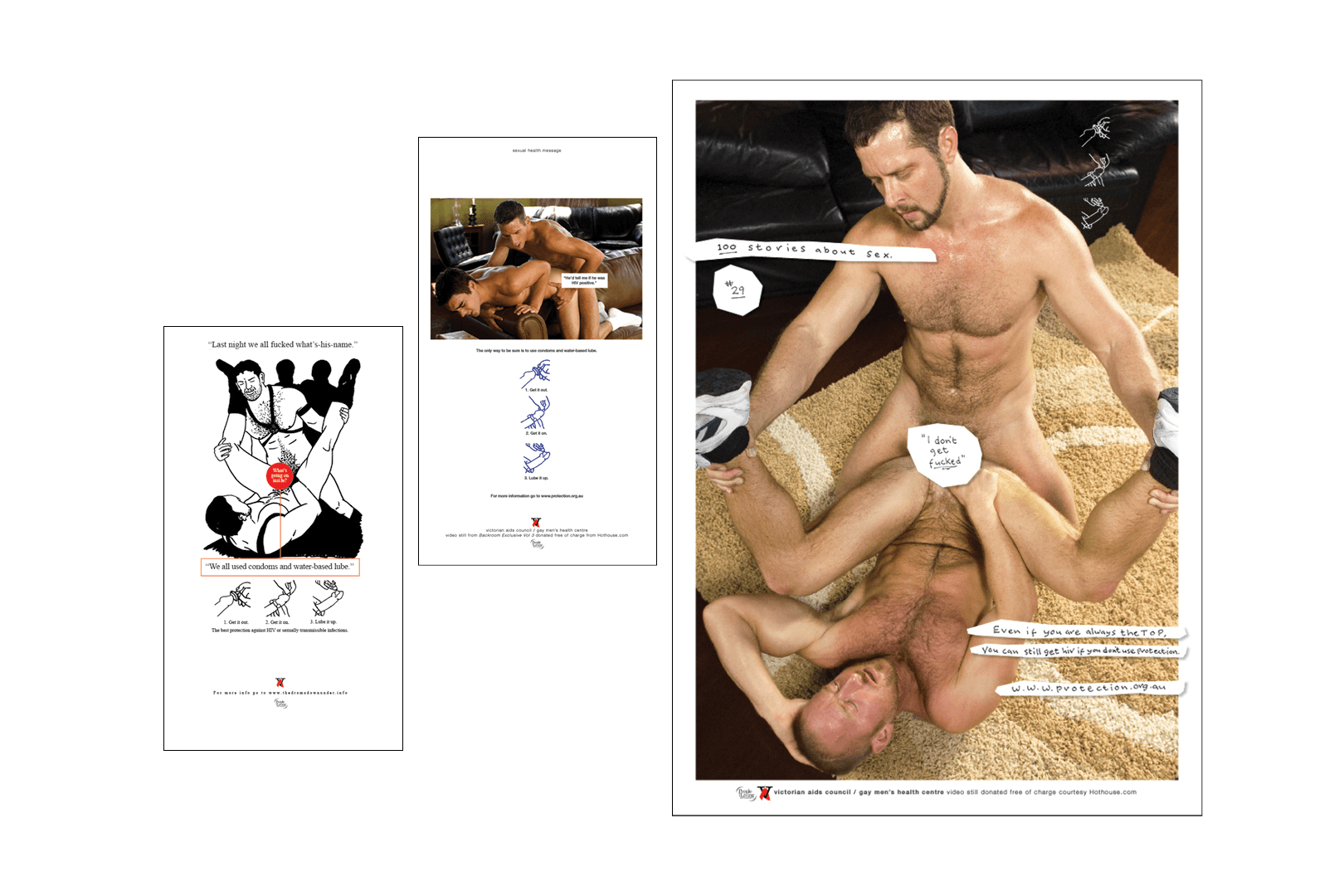
Our condom-reinforcement campaign, Protection, was the most sexually explicit ever implemented in Australia.
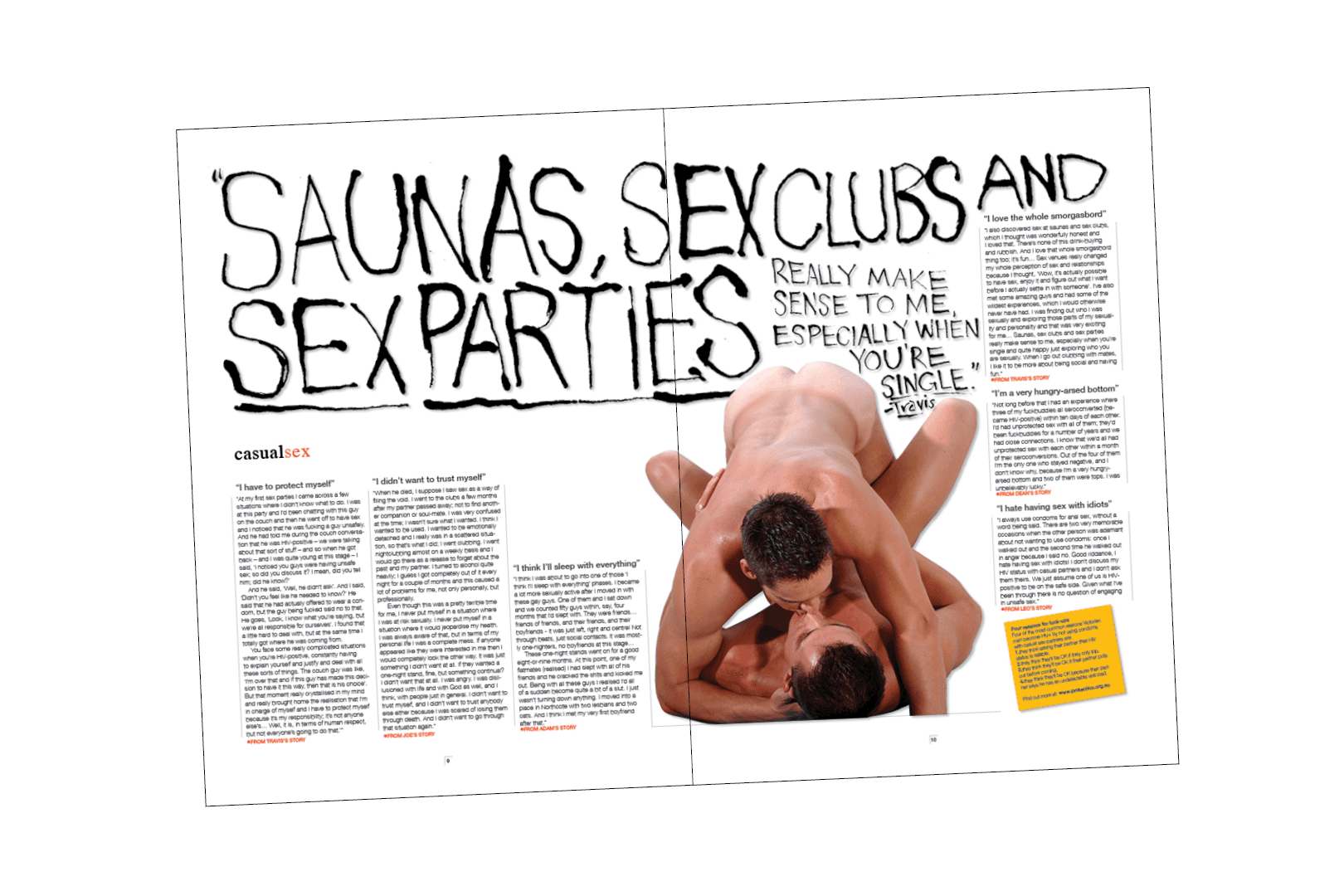
The Gay Hello was a publication organised around themes of HIV positivity and prevention.
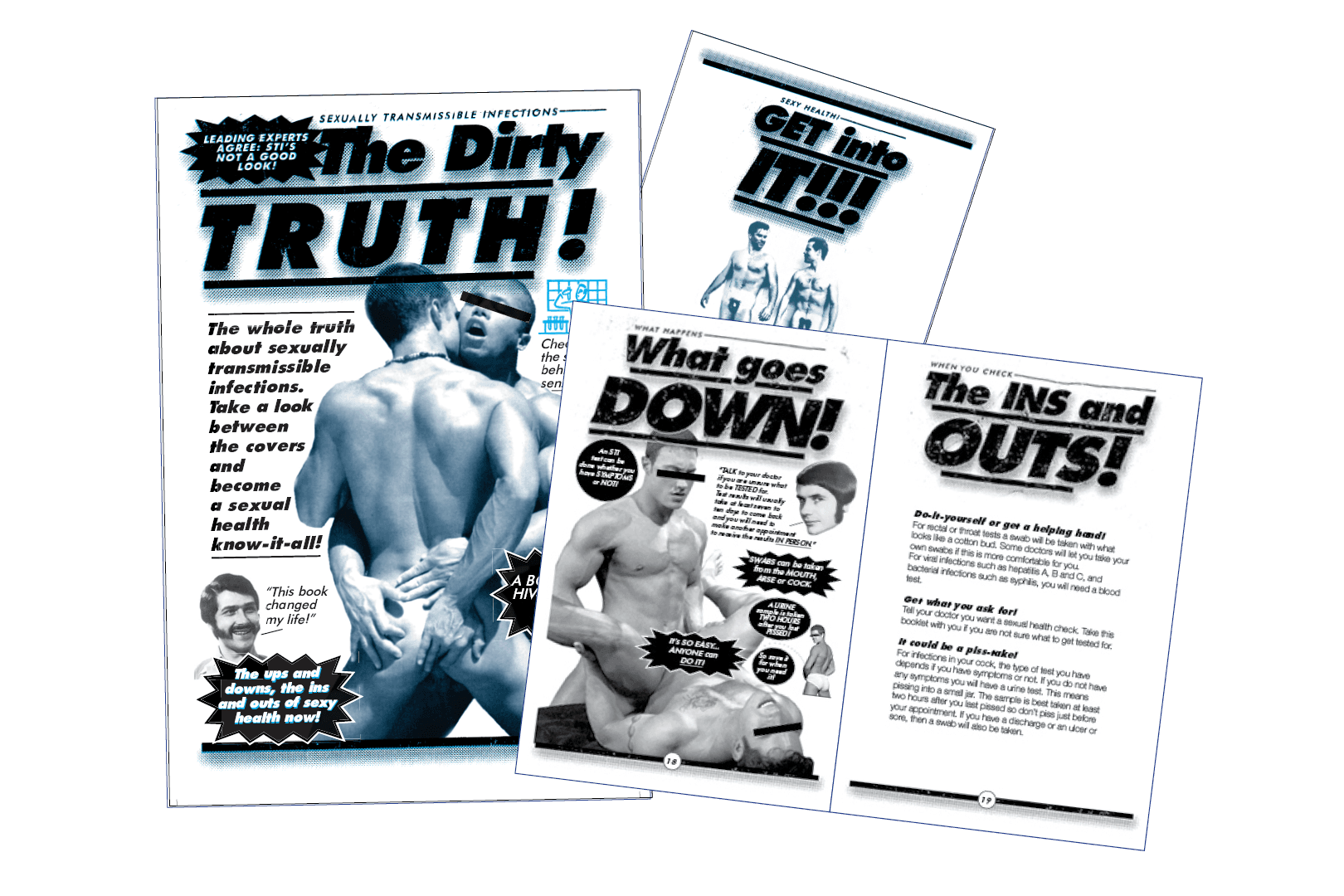
The Dirty Truth highlighted issues related to the health of men living with HIV.
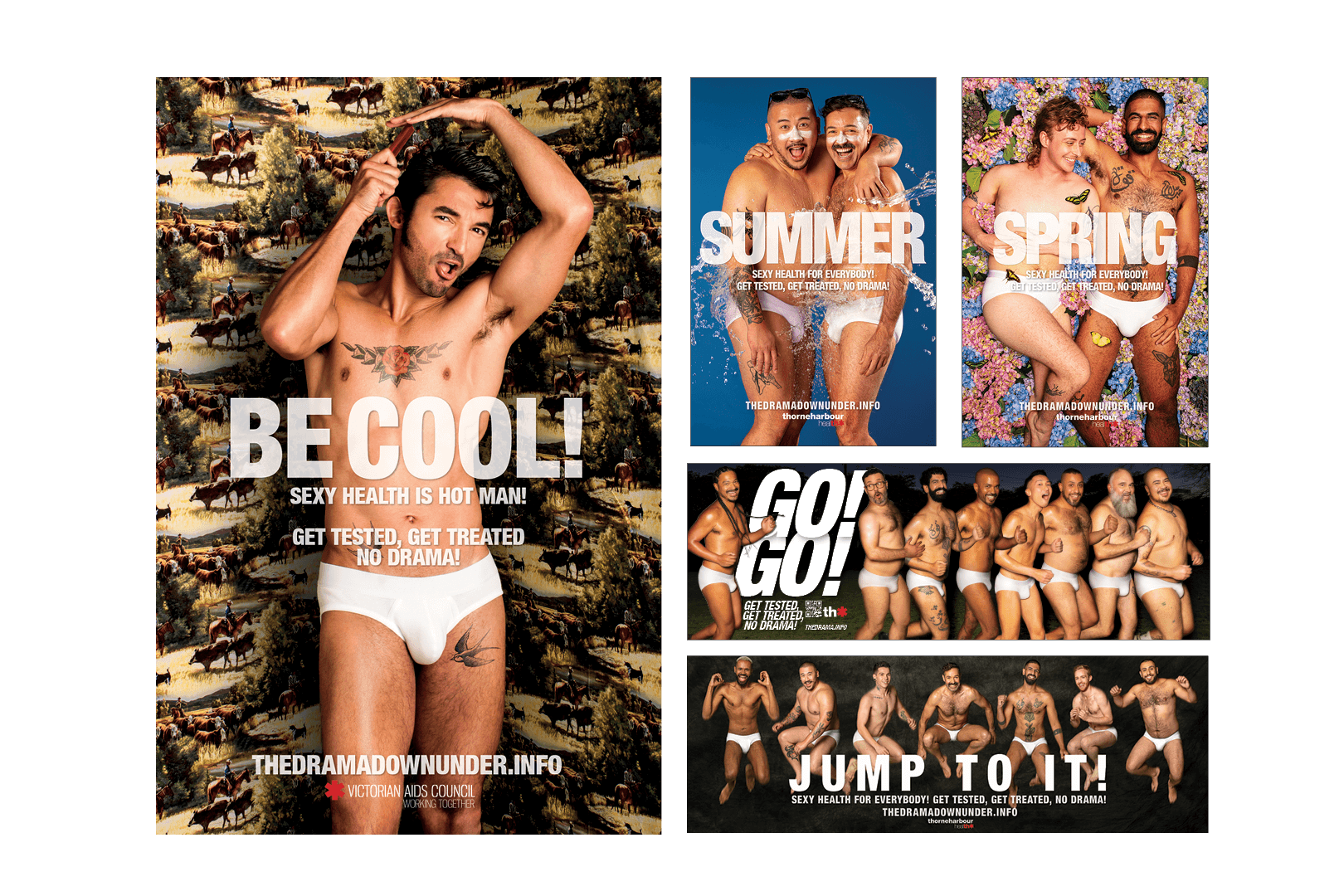
The award-winning Drama Downunder campaign was the first campaign about queer sexual health to go national and mainstream.
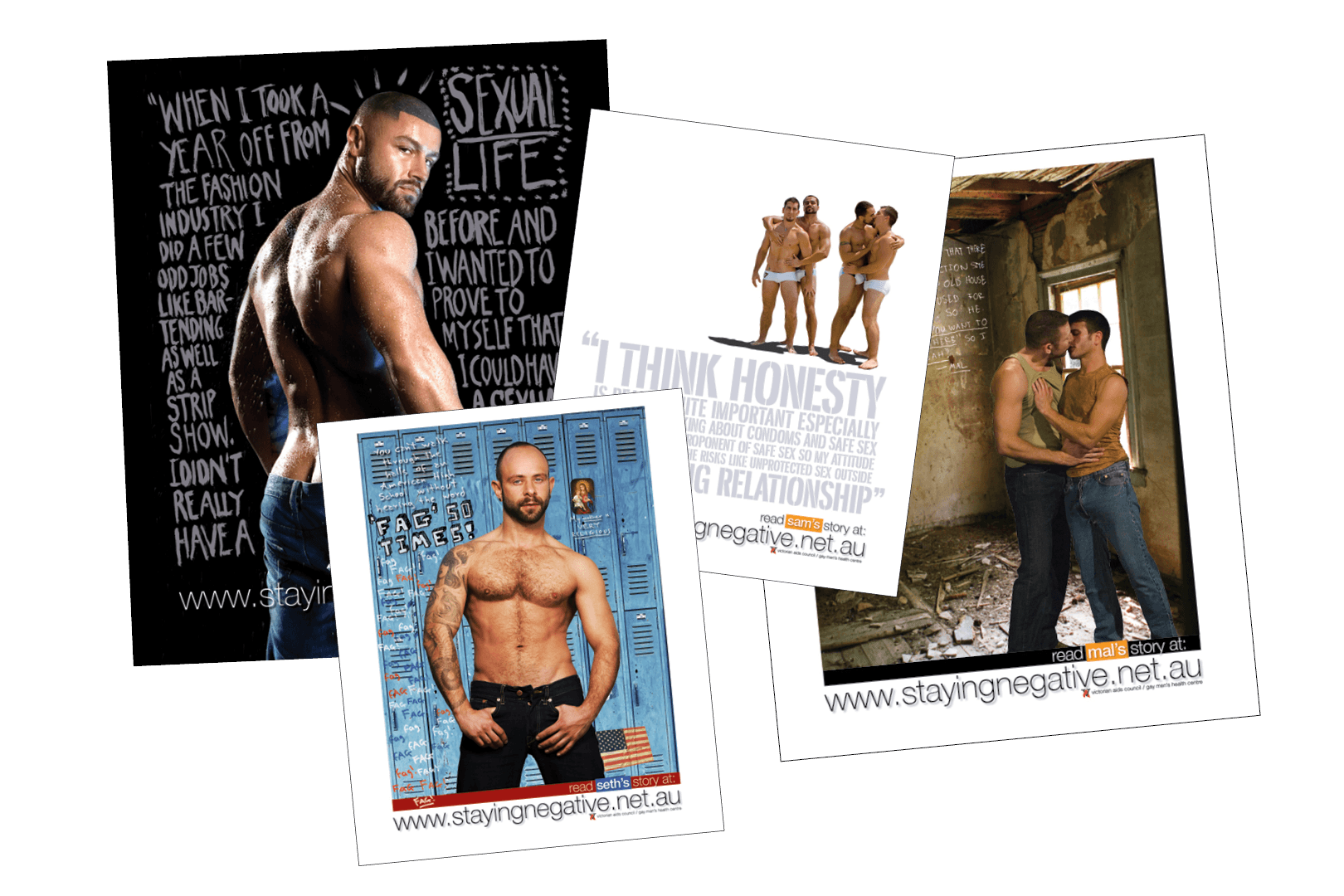
Staying Negative asked gay men how they stayed safe, rather than telling them what to do.
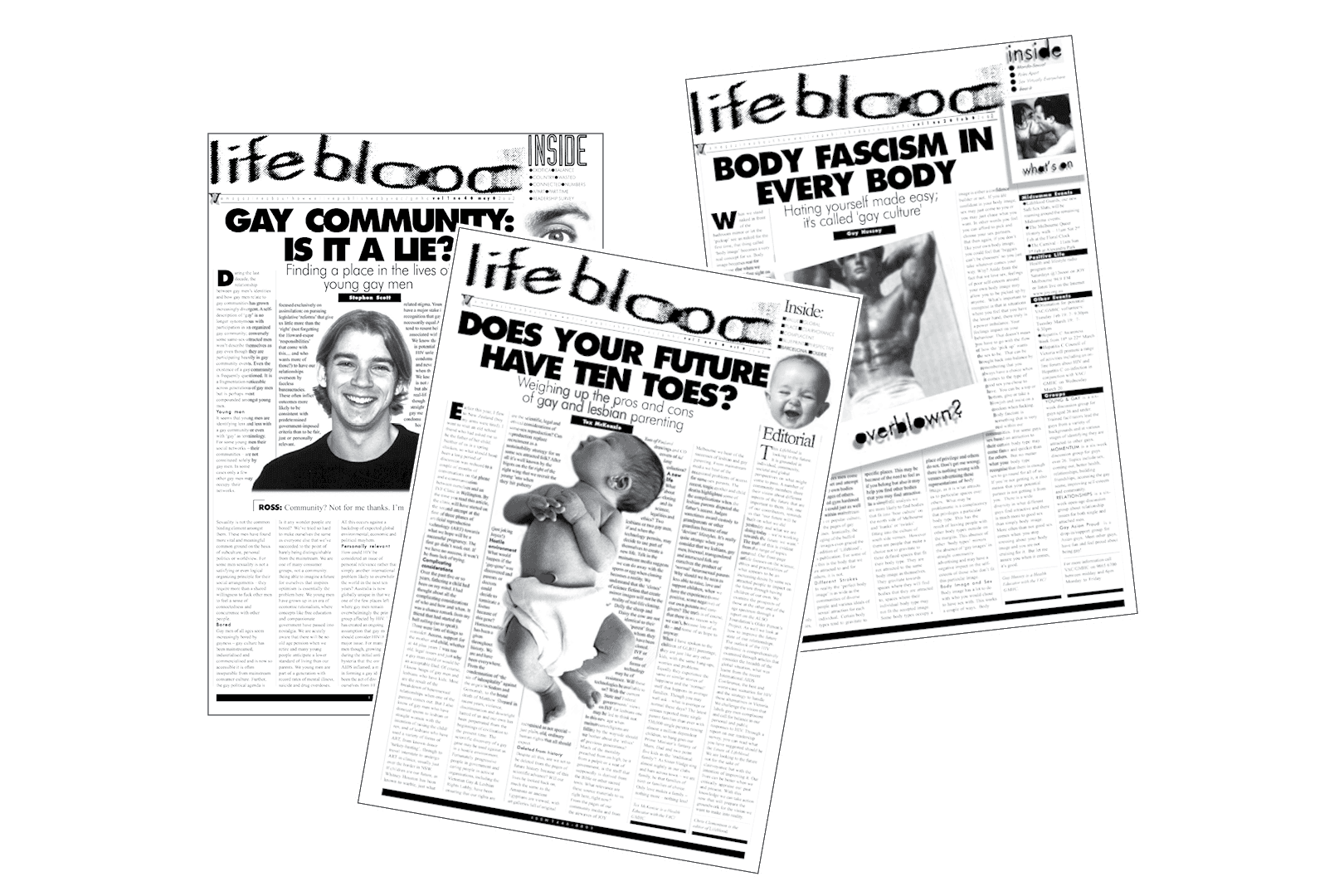
LIFEBLOOD broadened the scope of conversation with gay men beyond HIV and sexual health.
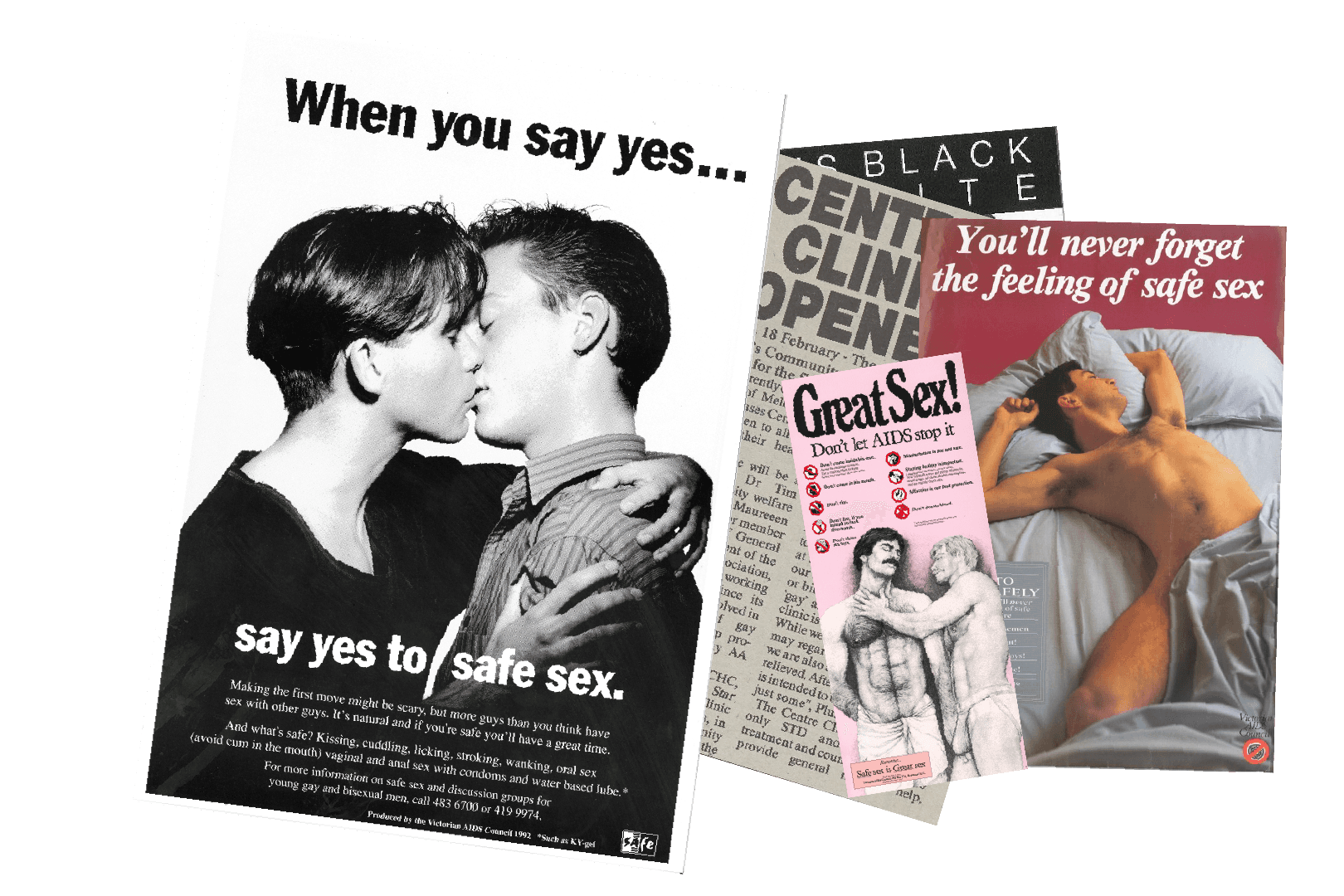
In the midst of an epidemic, When You Say Yes focused on empowerment over fear.
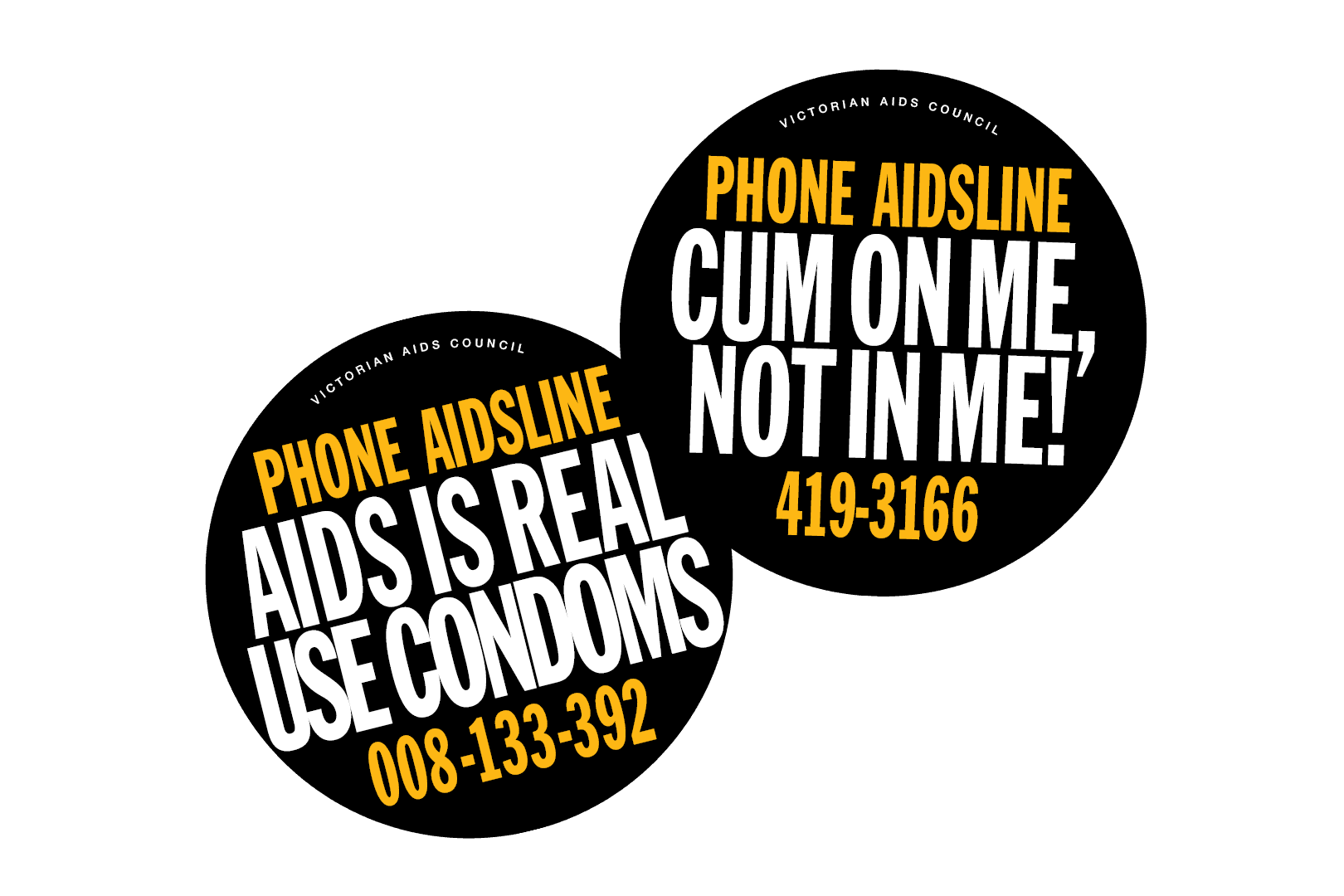
A simple sticker affixed to urinals, AIDS is Real was the first health promotion campaign of its kind.
Subscribe to our Newsletter
Get the latest news direct to your inbox.