What is family violence?
Family violence is when someone hurts, controls or scares a partner or family member, including chosen family or carers.
Family violence includes a wide range of harmful behaviours – not just actions, but threats of harm too.
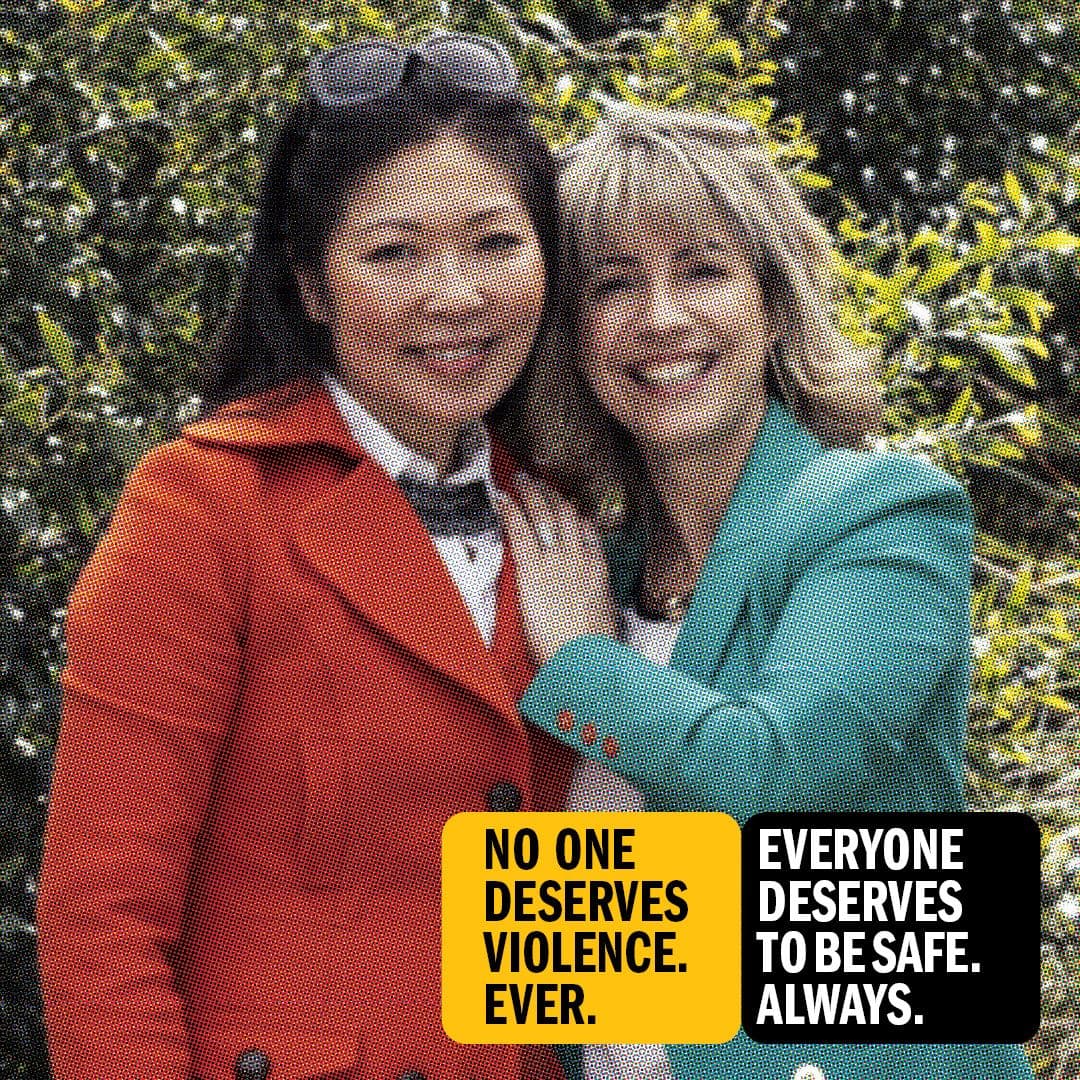
It is a choice, and a pattern of behaviour designed to control and dominate another person. No one deserves to experience family violence.
Because it can take many forms, family violence isn't always easy to identify. It can look like physical, emotional, financial, or identity-based abuse. Support is available to help LGBTIQA+ people recognise, escape, and heal from family violence in their relationships.

Types of family violence
There are different types of family violence that can occur within relationships, and each causes harm to the person experiencing it. Recognising family violence is the first step in seeking support.
Physical and Sexual Abuse
This type of abuse causes direct harm to a person's body, including hitting and unwanted touching.
Emotional and Psychological Abuse
Emotional and psychological abuse includes actions meant to manipulate, intimidate, and isolate.
Financial and Systems Abuse
The perpetrator may use money or legal systems to control, threaten, or trap someone.
Identity-Based Abuse
LGBTIQA+ people may experience family violence in the form of outing, invalidation, or blocking access to care.
Understanding family violence
Get answers to frequently asked questions about family violence.
Family violence behaviours include, but are not limited to:
- physical abuse (e.g. hitting, slapping, punching)
- sexual abuse (e.g. unwanted touching or kissing, being forced to watch or participate in pornography, rape)
- stalking or harassing (including online)
- financial abuse including withholding or controlling money
- isolating someone from friends or family
- threats or acts of harming pets
- emotional or psychological abuse
- spiritual and cultural abuse including racist comments
- using systems against someone (i.e., threatening or having someone deported, threatening or taking out an IVO against the person who is the victim/survivor, threatening or reporting someone to government departments, such as Centrelink)
- threats to harm or kill, including threats to self-harm
- tracking someone's phone, always calling to find out where someone is or constantly sending disruptive messages
- threatening to out a person to family, friends, co-workers, or their community – this may include HIV status, gender, intersex status or sexuality
- using that status as a way to hurt, harm or control
- controlling or destroying medications or blocking someone from accessing medical treatment
- pressuring a person to conform to particular “norms” of sex or gender
- invalidating someone's gender or sexual orientation
If you think you may be using family violence in your relationships, we offer behaviour change programs that can help. Here, we’ll encourage you to explore issues with power in your relationships and help you build self-control.
All family violence services are required to provide accessible and equitable services for everybody. If you reach out to any service and do not receive inclusive treatment, this is a failure of duty on their part.
If a family violence service has excluded you or discriminated against you, there is support available and actions you can take. When you feel safe enough to do so, you can:
- make an official complaint directly to the organisation that failed to deliver a safe and inclusive service to you,
- ask the organisation supporting to you to record and/or make an official complaint on your behalf to the organisation and/or governing body (DFFH) (this may not always be possible) or,
- make a complaint directly to the governing body Family Safety Victoria about the failure in service you received. You can call 1300 884 706 to make your complaint.
When you contact a family violence service, the person you talk to will have training and experience in helping people in situations very similar to yours. You can expect:
- to be listened to
- to be supported
- to be believed
- to feel safe
- to have information provided to you clearly and in a way you can understand
- to have your wishes and choices respected
Depending on your situation, you may be offered:
- emergency accommodation (if you are currently very unsafe)
- outreach support
- counselling
- financial assistance
- behaviour change programs (if you are using violence in your relationships)
- referral to other legal, health or wellbeing services
Many family violence services provide support to people regardless of whether they are LGBTIQA+ identified or not.
At Thorne Harbour Health, our services are specifically for LGBTIQA+ people. Our workers are qualified community members themselves or strong allies. They understand the impacts that sex, gender and sexuality-related stigma and discrimination can have on your life.
LGBTIQA+ people have different preferences around accessing mainstream or specific services, and either is okay. If a family violence service isn’t right for you for any reason, you can ask to be referred to somewhere that is.
Family Violence Services
Find support at Thorne Harbour Health.

Family Violence
Free, LGBTIQA+ affirming support for people experiencing family violence, and support for people who want to change their behaviour.
Behaviour Change
If you're worried about how your behaviour is affecting your partner, family or loved ones, support is available.
Sign up to our newsletter.
Get the latest news from Thorne Harbour Health.