The New Queer Archive in South Australia
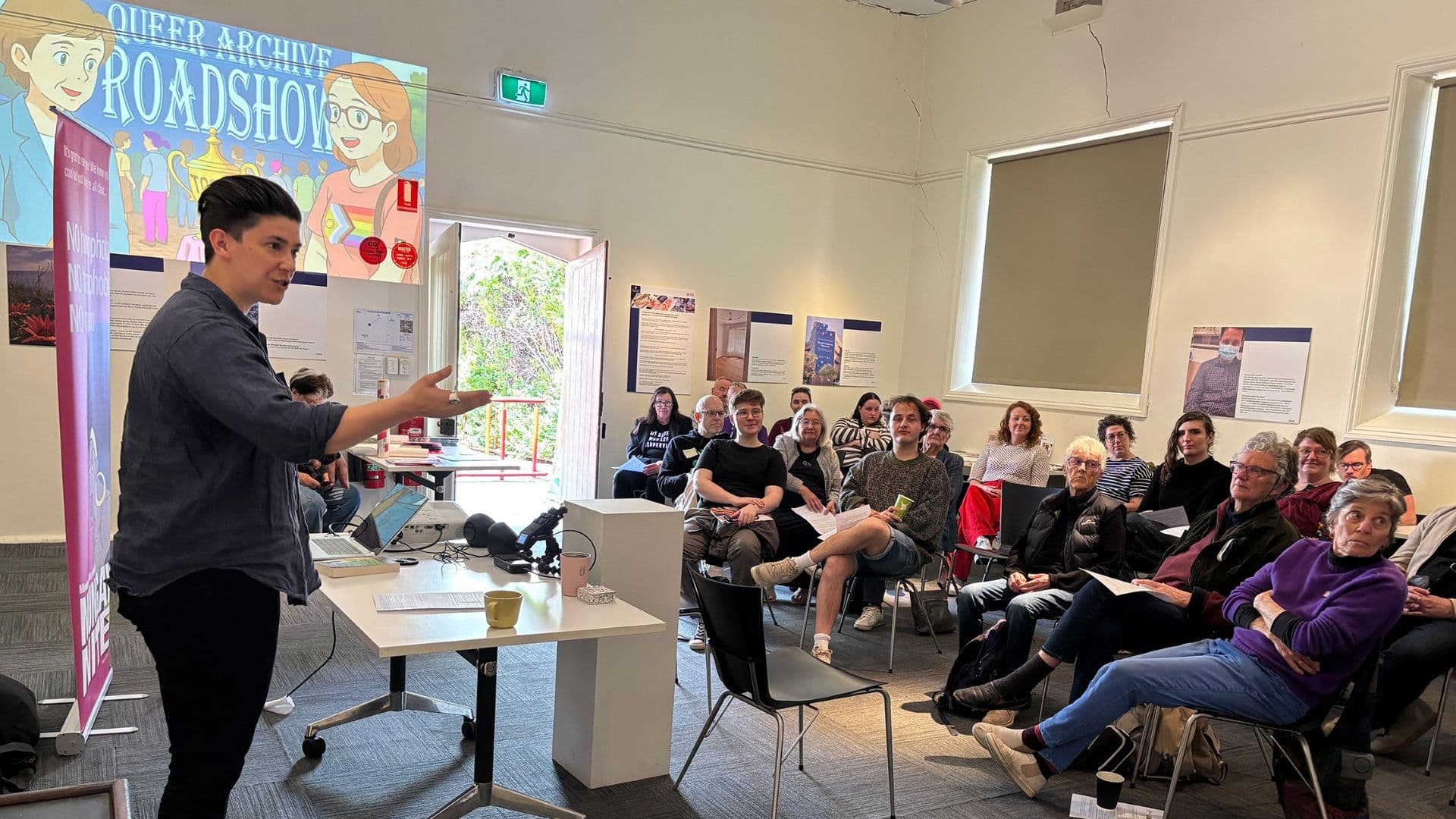
Things are changing for South Australians wanting to archive their queer history. Loading up your car with boxes of photos, publications, and prints and driving to Melbourne to get them archived is set to become a thing of the past.
QACSA, or the Queer Archive Collective of South Australia is a local community-driven initiative dedicated to preserving local LGBTIQA+ heritage.
Over the last year, the collective’s ten members have been meeting monthly. They’ve incorporated, secured a physical space above the Hutt St Library in Adelaide, and their website has just launched too.
Raymond Zada is part of the founding collective and says, “There's been talk about a South Australian archive for a while.”
"Having physical access to an archive is really important for people to wander in, interact with the histories, learn more about their own histories and the people before us."
After so many events surrounding the 50-year anniversary of South Australia’s decriminalisation of homosexuality last year, Raymond was especially taken aback by how many opportunities to preserve our histories could’ve been done better.
"I kept finding myself saying, 'Did somebody record that?' There were amazing stories shared, and now we're holding memorials for people who've passed. What stories do we have of them?"

Through the collective’s website, community members can access a collection donation form.
It was designed to help people inventory items they might eventually donate and will help prevent materials from being discarded when owners pass away.
QACSA has also run workshops teaching attendees how to record oral histories and care for their collections through roadshows at last year's Feast Festival and this year's South Australian History Festival.
If you have a collection, Raymond warns, "Please don't ever laminate anything. It can feel like you're saving something, but you're actually adding glue that will slowly eat away whatever you have."
For now, the collective is planning exhibitions, volunteer training programs for cataloguing and digitisation, and skill-sharing sessions that empower community members to document their own stories.
"We don't want things just locked away," says Raymond. "We want our histories to be shared, researched, and celebrated."
Check out the QACSA website at qacsa.org.au.
Latest news
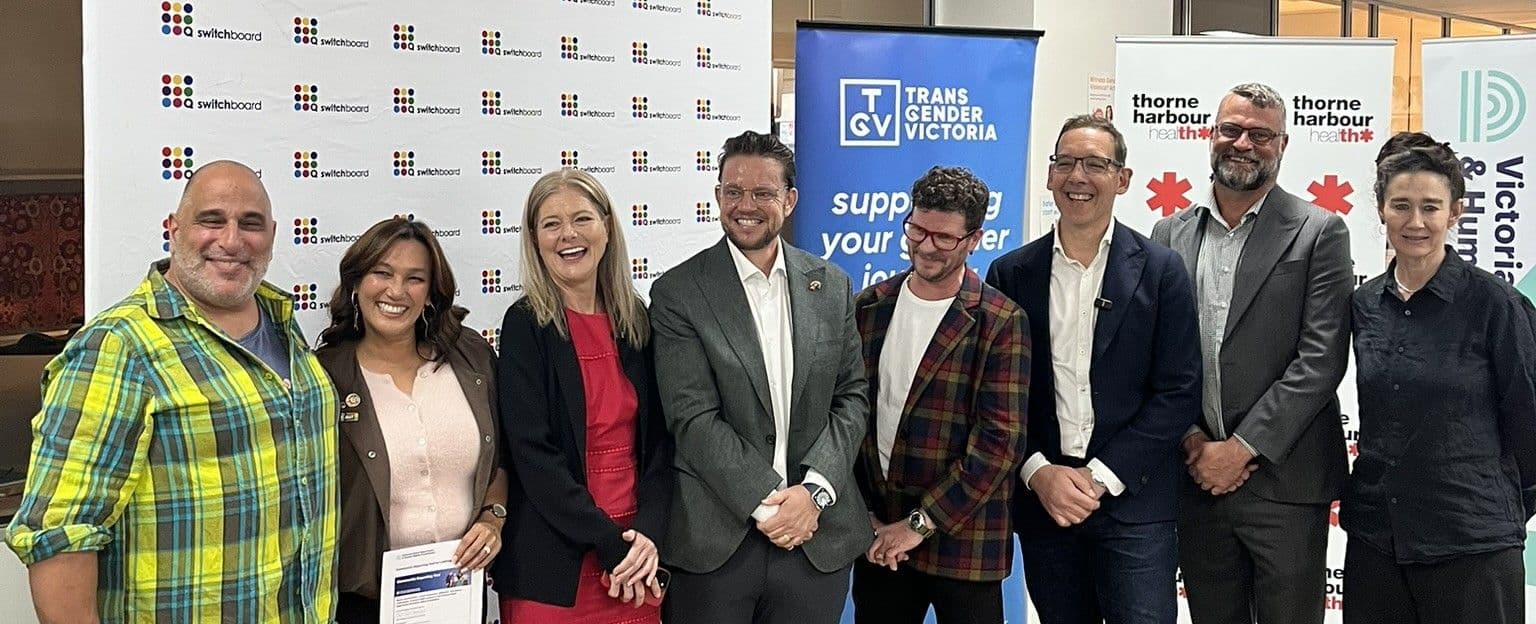
Experienced or witnessed hate? Report it in a few minutes
Hate and discrimination against our communities are rising. You can now report what’s happening without going to police. The Victorian Equal Opportunity and Human Rights…

Northside Bizarre 2026 - On the Day Guide
This is your guide to everything you need to know about Northside Bizarre, including important times, key activities, and all the bargains and deals you…
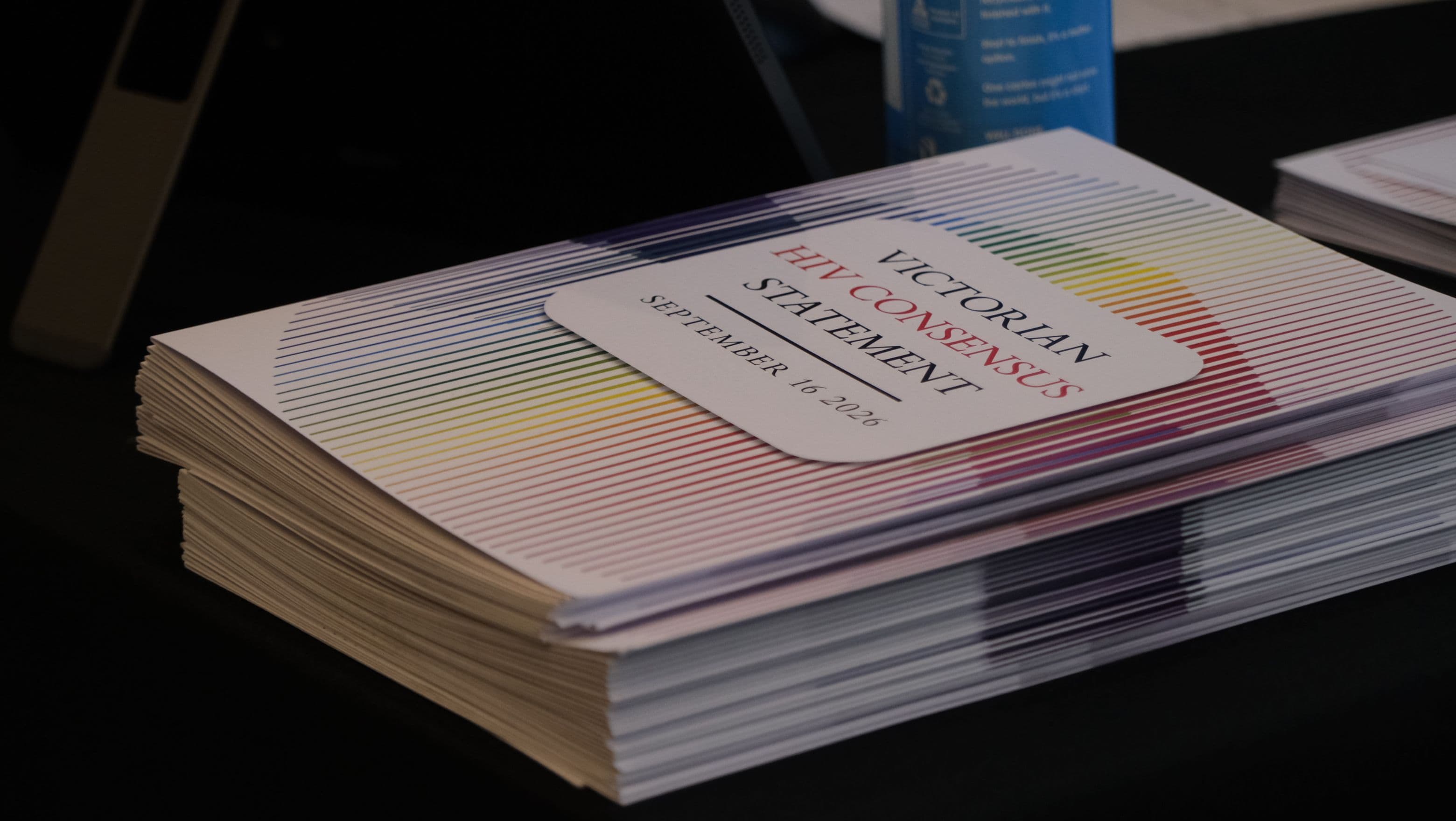
Melbourne HIV Consensus Statement 2026
Victoria has an historic opportunity: to become one of the first places in the world to virtually eliminate HIV transmission. Decades of community action, clinical…